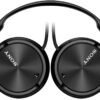
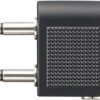
Description
What the Sony MDR-ZX110NC Actually Is
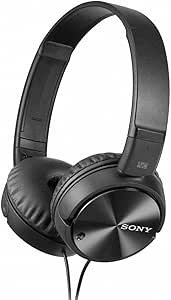
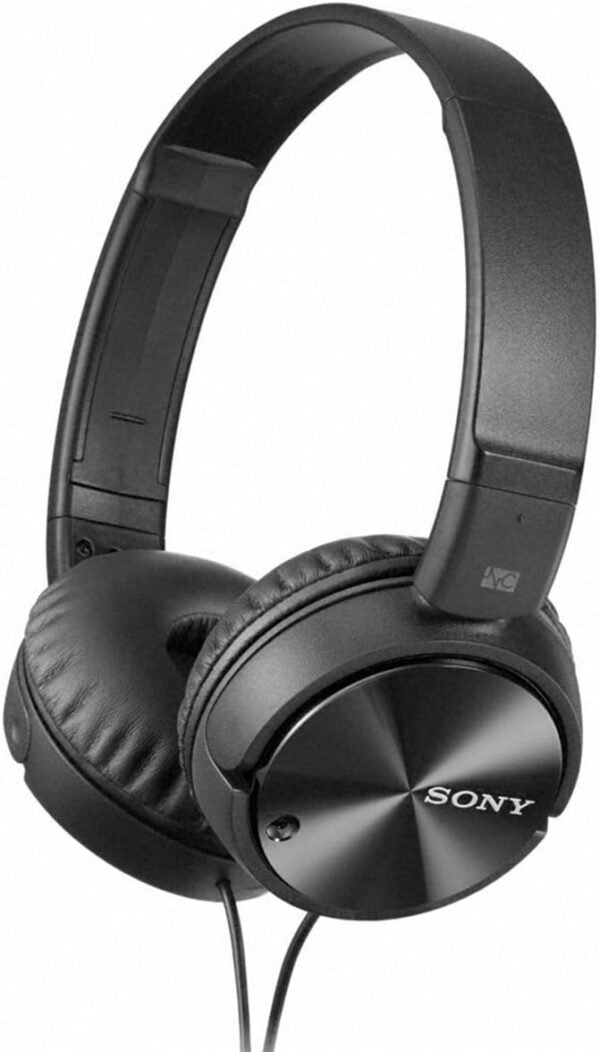
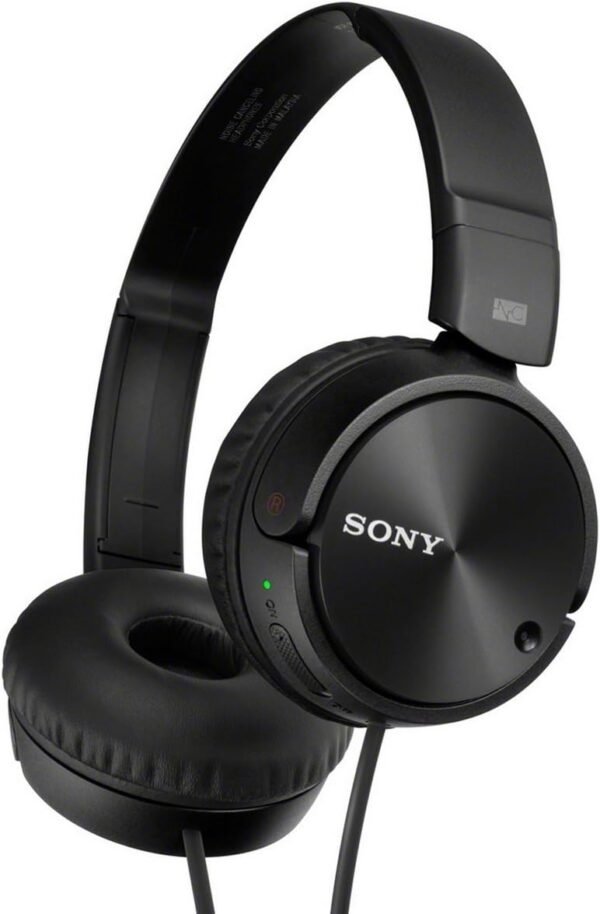
The Sony MDR-ZX110NC is a wired headphone with digital noise cancellation, and the word wired is the one that surprises people. This is not a Bluetooth headphone. It connects by a 3.5 mm jack, and the battery inside powers only the noise cancelling circuit, not the audio. That architecture used to be common and is now rare, so it is worth understanding before buying: with the battery removed or flat, the headphone still plays music normally, just without cancellation.
Sony lists the noise control as active noise cancellation, the connectivity as wired, the driver type as dynamic, and the frequency range as 20 Hz to 20,000 Hz. The construction material is plastic and the listed weight is 9.2 ounces, with the manufacturer text giving 249 grams, which are close enough to be the same measurement expressed twice. The compatible devices list covers laptops, desktops, tablets, telephones, smart speakers, televisions, and car audio systems, which is a way of saying it works with anything that has a headphone jack. Listeners who want cancellation without a cable should compare wireless designs in the over ear headphones category.
How the Cancellation Works Here
Active noise cancellation uses microphones to sample ambient sound and generates an inverted signal that reduces it. The effect is strongest against steady low frequency noise such as engine rumble, air conditioning, and train drone, and weakest against speech and sudden sounds, which are too unpredictable to cancel. That is true of every cancelling headphone regardless of price, and it is why cancellation is transformative on a plane and modest in an open plan office.
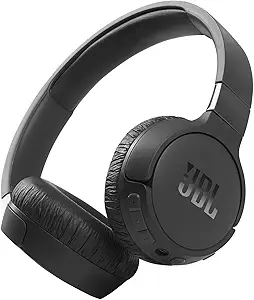
What makes this model unusual is that the cancellation runs from a single AAA battery rather than from a rechargeable cell, and the listing quotes 80 hours of battery life. Written in the specification table as 8E+1 hours, that figure is 80 in scientific notation. Eighty hours from a AAA battery is a long time between changes, and the design has a real advantage over rechargeable models: a flat battery is fixed in ten seconds with a spare from a drawer rather than by finding a charger. It also has a clear disadvantage, in that it consumes disposable batteries over the life of the product. Buyers who prefer a rechargeable design should look at models such as the JBL Tune 660NC wireless headphones, which handle the same job over Bluetooth.
Fit, Portability, and Everyday Use
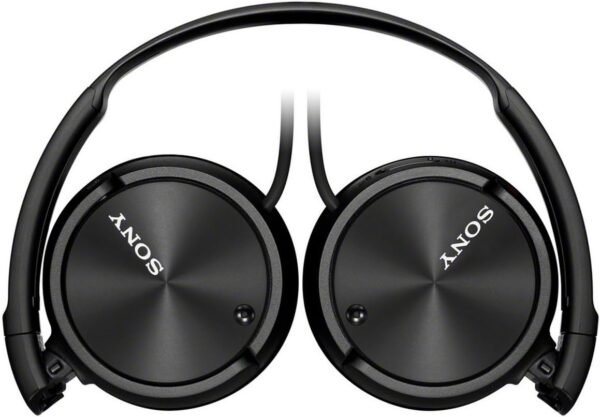
The listing gives the product dimensions as 3.39 by 1.42 by 6.69 inches, describing a compact on ear design rather than a large over ear one. On ear headphones rest their pads on the outer ear instead of surrounding it. That makes them lighter, smaller when folded, and cooler over long sessions, and it also means they seal less completely, which limits how much noise the passive structure blocks before the electronics do anything. It also means clamping force is felt directly on the ear, so comfort over hours varies more between people than it does with an over ear design.
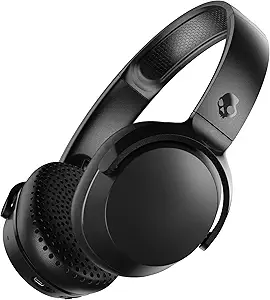
The earpiece shape is listed as Circle and the water resistance level as Not Water Resistant, which rules out exercise in rain. Control is listed as remote, though the imported record does not detail what the remote provides. For commuters, the wired connection has one underrated advantage: there is no pairing, no codec negotiation, and no latency, so video and audio stay locked together on any device with a jack. It also has an obvious disadvantage on modern phones, most of which no longer have a headphone jack and require an adapter. Anyone in that situation should weigh a wireless on ear alternative such as the Skullcandy Riff Wireless 2 on ear headphones.
Highlights
- Wired 3.5 mm connection, so audio plays even when the battery is flat.
- Digital active noise cancellation powered by a single AAA battery, included per the listing.
- Battery life quoted at 80 hours, changeable in seconds rather than needing a charger.
- Compact on ear design at a listed 9.2 ounces, folding for transport.
- Frequency range listed at 20 Hz to 20,000 Hz with a dynamic driver.
Things To Consider
One specification field on this listing directly contradicts the product. The cable feature field reads Without Cable, on a headphone whose entire connection method is a cable. The listing gives the physical arrangement two different ways and does not resolve it. The frequency range also appears in two formats across the record, and the battery life is written in scientific notation rather than as a plain number, which is a formatting artifact rather than a different specification.
The real limitations are more useful to know. Cancellation performance on an entry level model is not comparable to a flagship, and buyers moving from a premium cancelling headphone should expect a reduction in noise rather than the removal of it. On ear pads seal less well than over ear pads, which limits the passive isolation the electronics build on. Plastic construction keeps the weight down and the cost down, and it is also the reason headband hinges are the usual failure point on headphones built this way.
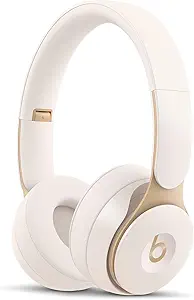
Two more practical points. Most current phones have no headphone jack, so this headphone often requires a dongle in mobile use, which adds a fragile part to the chain. And with a first availability date in 2014, this is an old design that has been on sale a long time. The listing shows a 4.1 star average across 201 ratings, which is a reasonable record over that period, but it also means the product predates almost every recent development in cancellation processing. Buyers who want current generation cancellation should compare the Beats Solo Pro wireless noise cancelling headphones or similar models before deciding.
Who Should Buy It and Who Should Not
This headphone suits someone who wants noise reduction on a device that still has a headphone jack, values a battery that can be swapped rather than charged, and prefers a small folding on ear design for a bag. It is a sensible choice for use with an in flight entertainment system, a desktop computer, a television, or any fixed source where a cable is not a nuisance, and the 80 hour figure means it can live in a bag without a charging routine.
It is the wrong purchase for anyone using a modern phone without an adapter, for anyone who wants the strongest available cancellation, and for anyone who dislikes disposable batteries. Those buyers should shop the wireless side of the market instead, including options in the on ear headphones category, or consider a set built specifically for television listening such as the Avantree Ensemble wireless TV headphones.