
Description
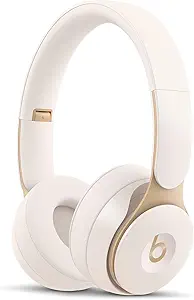
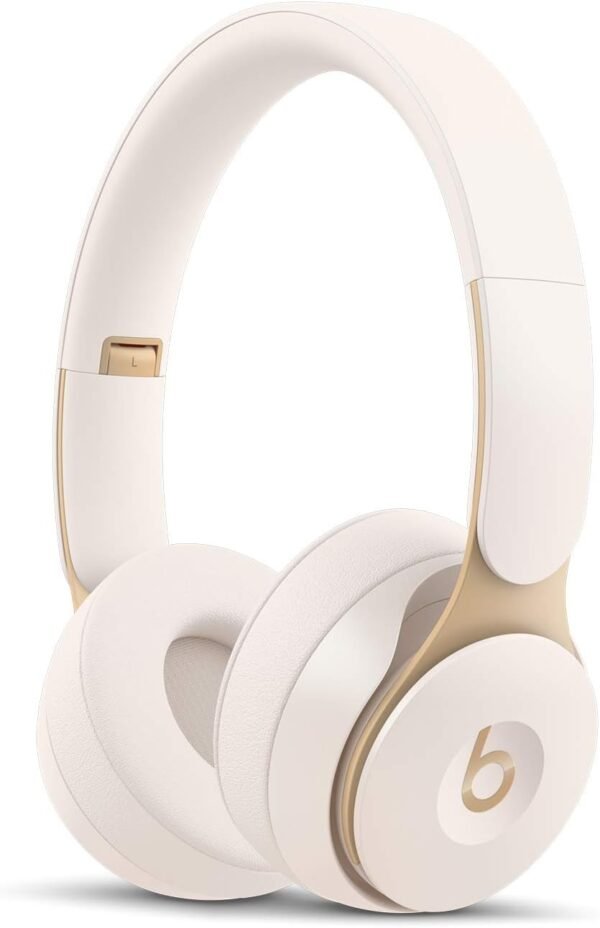
Beats Solo Pro: an on ear noise canceller built around Apple silicon
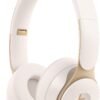
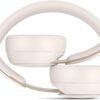
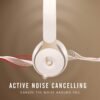
The Beats Solo Pro is an on ear wireless headphone with active noise cancellation, built around the Apple H1 headphone chip and Class 1 Bluetooth. Beats lists two listening modes, active cancellation and transparency, with battery life quoted at up to 22 hours with either mode running and up to 40 hours with both switched off. The listing gives a weight of 9.5 ounces, dimensions of 5.51 by 3.43 by 7.44 inches, a frequency range of 20 Hz to 20,000 Hz, and this variant in an ivory finish.
The H1 chip is the same silicon used in Apple wireless earbuds of the period, and it is what makes the pairing behavior on Apple devices different from ordinary Bluetooth. It handles connection setup, hands free Siri activation and switching between devices signed into the same account. Class 1 Bluetooth, meanwhile, refers to a higher transmit power classification than the Class 2 radios in most headphones, which Beats associates with extended range and fewer dropouts.
Controls, sensors and the folding switch
The control layout is physical rather than gesture based, which is worth noting because the specification table claims otherwise. Beats describes volume, track and call controls on the right earcup and a dedicated mode button on the left for switching between cancellation and transparency. A separate button handles voice assistant activation on devices that are not Apple.
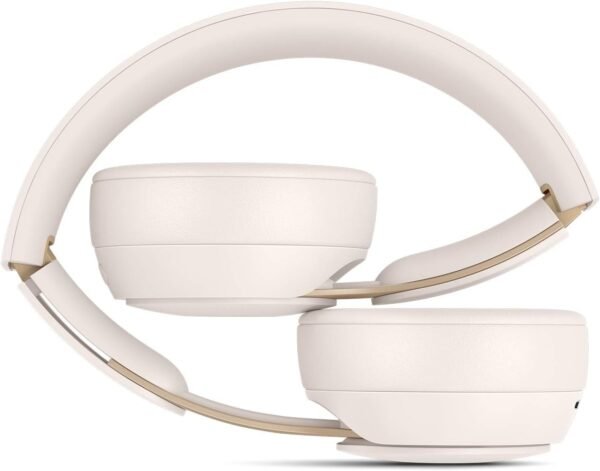
The most distinctive design decision is that the headphones power on when unfolded and off when folded. There is no power button at all. That removes the most common cause of a flat battery, which is a headphone left switched on in a bag, and it is the kind of detail that only becomes obvious in daily use. The tradeoff is that the headphones cannot be left on while folded, which is irrelevant for most people.
Beats also lists dual beam forming microphones for calls, a motion detecting accelerometer and a speech detecting accelerometer. The speech detecting sensor picks up vibration through the head rather than sound through the air, which helps the microphone array separate the wearer voice from surrounding noise.
Transparency mode and on ear fit
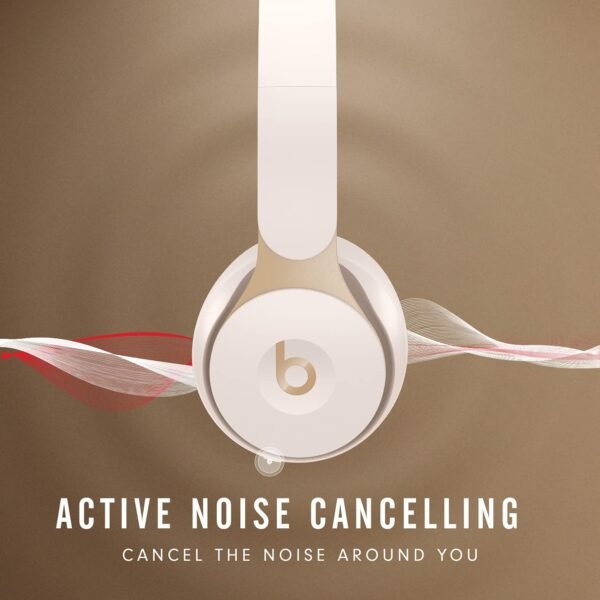
Transparency is the counterpart to cancellation and it is more useful than it sounds. Rather than switching the headphones off to hear an announcement or speak to someone, transparency uses the same external microphones to pass ambient sound through to the listener. On an on ear design, which seals less completely than an over ear one, the gap between the two modes is smaller than on a fully enclosing headphone, but both are still clearly distinct.
On ear cups sit on the ear rather than around it, which keeps weight and bulk down. At 9.5 ounces this is not a light headphone by on ear standards, and clamping force is what holds an on ear design in place. Anyone who has found on ear pads uncomfortable over long sessions should be cautious, and might compare a lighter alternative such as the Koss KSC75 or a full over ear design like the Sony WH-1000XM5, which trades portability for a more complete seal.
Highlights
- Apple H1 headphone chip with hands free Siri support on iOS devices.
- Active noise cancellation and transparency mode on a dedicated earcup button.
- Up to 22 hours with either mode active, and up to 40 hours with both off.
- Class 1 Bluetooth for extended range compared with standard Class 2 radios.
- Powers on and off by unfolding and folding, with no power button.
- Dual beam forming microphones plus motion and speech detecting accelerometers.
- Physical volume, track and call controls on the right earcup.
Things To Consider
One entry in this listing is not merely wrong but potentially costly. Water Resistance Level reads Waterproof, with no ingress protection rating anywhere in the data and no mention of water resistance in the manufacturer description. Nothing about a headphone of this construction supports a waterproof claim, and anyone taking it into a shower or the rain on the strength of that field risks destroying it. Treat these as dry use headphones.
The charging cable is described two different ways. The manufacturer description lists a Lightning to USB-A charging cable, while the included components field lists a universal USB-A to Micro-B cable. Those are different connectors and only one can be correct. Either way, this is not a USB-C product, which is the practical point: a buyer with an all USB-C set of devices will be carrying an extra cable for these headphones alone.
The 22 hour battery figure applies with cancellation or transparency running, which is how most people will use them. The 40 hour figure requires both features switched off, which turns a noise cancelling headphone into an ordinary one. Quote the lower number when planning a trip.
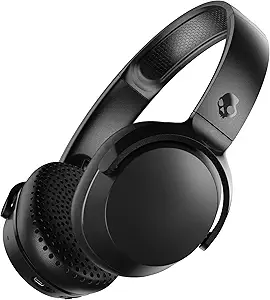
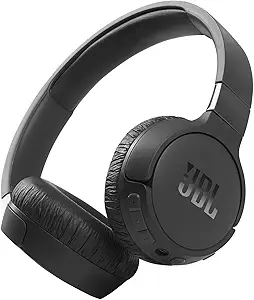
Finally, on ear cancellation has a structural ceiling. Active systems work best when the earcup already seals well passively, and an on ear pad resting on the ear leaks more than an over ear cup surrounding it. The cancellation here is real, but a buyer expecting the isolation of a full sized flagship should adjust expectations. Buyers comparing on ear alternatives with cancellation should look at the JBL Tune 660NC, while those prioritizing battery over cancellation can consider the Skullcandy Riff Wireless 2.
Who it suits
The Solo Pro suits an Apple household that values quick pairing and account switching, a commuter who wants cancellation in a smaller package than an over ear headphone, and anyone who appreciates physical controls and a fold to power design. The transparency mode makes it practical in an office where conversations happen without warning.
It is the wrong choice for exercise or wet conditions regardless of what the specification table claims, for buyers who need USB-C charging, and for anyone who finds on ear clamping uncomfortable. Those buyers should compare the wider selection in the on ear headphones category, or move to the over ear headphones category where a fuller seal makes cancellation more effective.