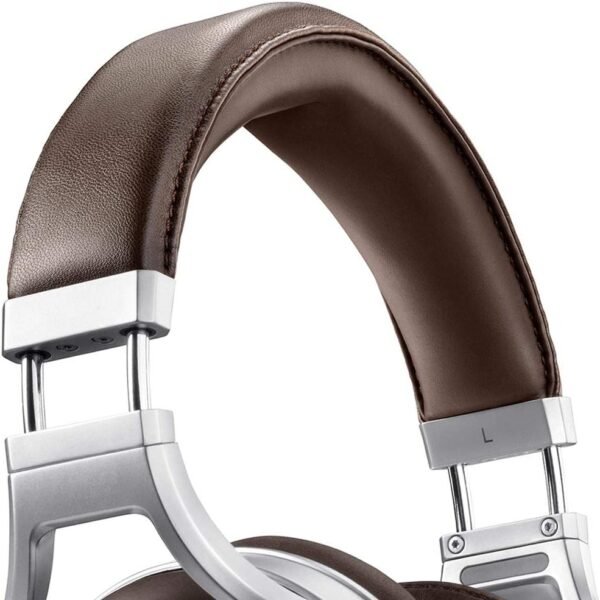
Description
What the Denon AH-D5200 Is
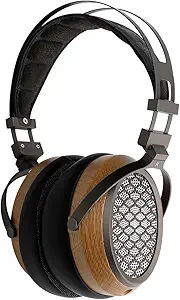
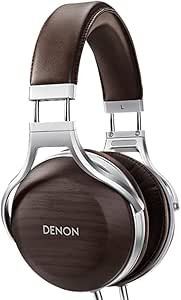
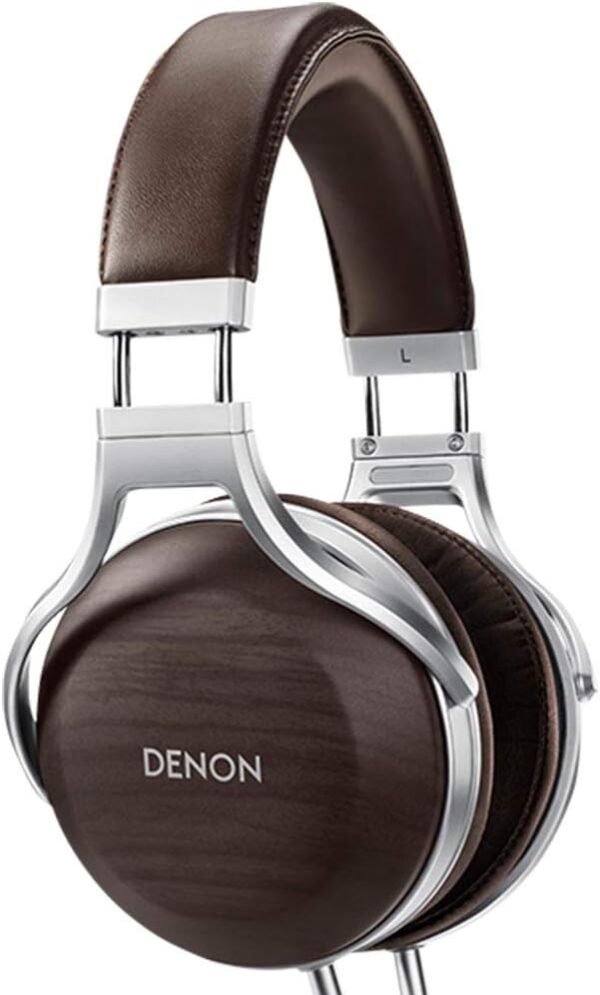
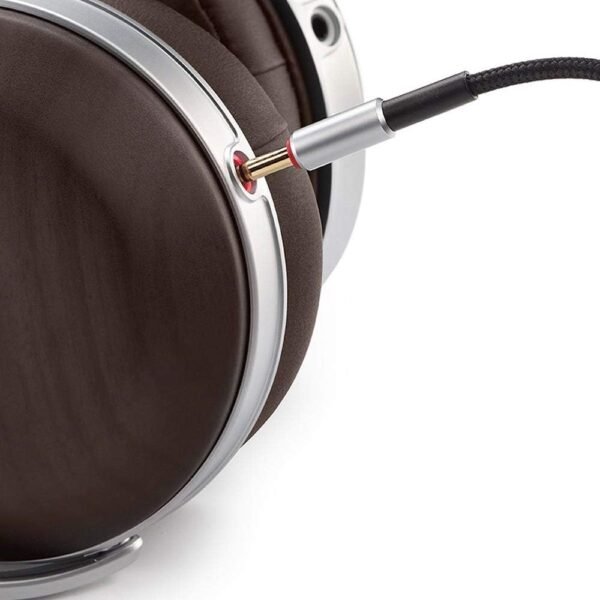
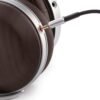
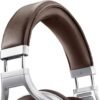
The Denon AH-D5200 is a closed back over ear headphone with zebrawood earcup housings, listed with 50 millimeter dynamic drivers and a frequency range of 5 Hz to 40 kHz. It is a wired design with a detachable 3.5 mm cable, and the box includes a quarter inch adapter, a carrying pouch, and documentation. The listed weight is 14.1 ounces.
Wood housings are unusual and they are not decoration. A wood earcup behaves differently from plastic or metal because of how it damps and how it resonates, and manufacturers who use it are making a deliberate acoustic choice as well as a visual one. Zebrawood in particular is dense and strongly figured, which means every pair looks slightly different. Whether the material audibly improves the result is a question no specification answers, and this page does not assert it. What can be said is that a rigid, well damped housing is a legitimate design goal and wood is one way to pursue it. Listeners comparing other premium closed designs can look at the Audeze LCD-2 Classic Closed-Back headphones.
Drivers, Range, and Amplification
A 50 millimeter driver is large for a headphone and gives the designer diaphragm area to work with, which generally helps low frequency capability without demanding extreme excursion. The quoted range of 5 Hz to 40 kHz extends well beyond human hearing at both ends, and the honest reading of such figures is that they indicate the driver keeps producing measurable output outside the audible band rather than that a listener will hear anything at 40 kHz. Wide range figures are common on high resolution certified products and are more useful as a compatibility marker than as a description of sound.
What the listing does not give is impedance or sensitivity, which are the two numbers that determine whether a source can drive the headphone properly. That omission matters here more than on a cheap headphone, because a closed back over ear design at this level is usually paired with a dedicated amplifier rather than driven from a phone. Anyone assembling a listening chain should confirm those figures with Denon and consider a desktop unit such as the HIFIMAN EF400 desktop headphone amplifier, or browse the amplifiers category for the range of options.
Comfort, Cable, and Long Term Ownership
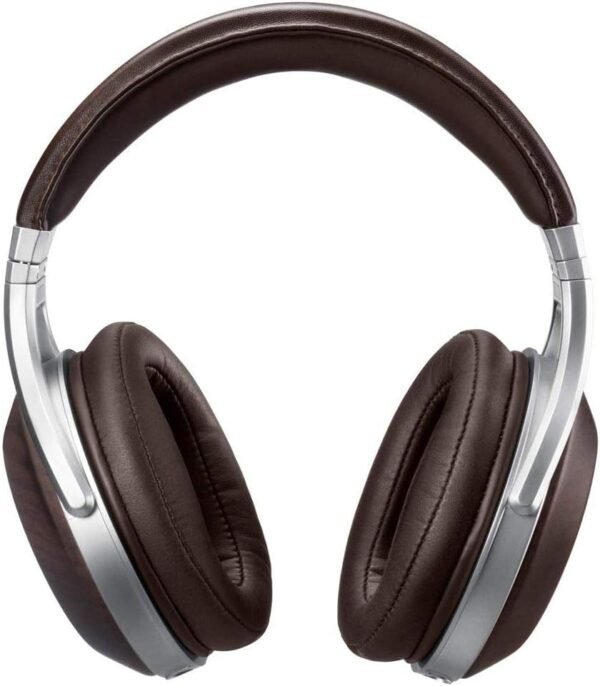
The listing describes memory foam earpads and an ergonomic design aimed at extended wear. Memory foam conforms to the shape of the head over the first few minutes of wear, which distributes clamping pressure more evenly than a firmer pad and generally improves comfort over hours. It also compresses over years, which changes both comfort and sound as the distance between driver and ear shortens. Pads are consumable on any headphone intended to last, and replacement availability is worth confirming.
The detachable cable is the other serviceability feature and the more important one. Cables fail before anything else on a headphone, and a detachable cable turns that from a repair into a purchase. The included quarter inch adapter signals the intended use: a quarter inch jack is what desktop amplifiers and audio interfaces provide, not what phones provide. A nylon carrying pouch is included rather than a hard case, which offers protection against dust and scratches but not against crushing. Listeners who want a lighter wired alternative can compare the Sennheiser HD 400S headphones.
Highlights
- Zebrawood earcup housings, chosen for damping behavior as well as appearance.
- 50 millimeter dynamic drivers with a listed frequency range of 5 Hz to 40 kHz.
- Detachable 3.5 mm cable with a quarter inch adapter included.
- Memory foam earpads aimed at extended listening sessions.
- Closed back construction with passive isolation, listed at 14.1 ounces.
Things To Consider
Several specification fields on this listing contradict the product. The material field reads Copper, on a headphone defined by its wood housings. The specific uses field reads Sports and Exercise, which is an implausible recommendation for a heavy wired wood bodied headphone with no water resistance. The control method reads App, on a passive wired headphone with no electronics, no battery, and no application. The carrying case color reads Zebrawood while the carrying case material reads Nylon. The age range description reads Adult and Kid. None of these describe the product, and they appear to be automatically generated placeholder data.
The listing also omits the numbers that matter most at this level: impedance, sensitivity, and the exact driver technology. Frequency response figures without a tolerance are the least informative specification a headphone can publish, and the ones actually needed for system matching are absent.
On the product itself, the limitations are those of the class. A closed back wood headphone at this weight is a home listening product, not a portable one, and 14.1 ounces is noticeable over a long session regardless of pad quality. Wood housings are sensitive to humidity and temperature swings over years in a way plastic is not. Closed back designs isolate but present a different sound stage from open designs, which is a matter of preference rather than quality. And the listing shows a 4.2 star average across 389 ratings, a reasonable sample with a moderate score, which is worth reading through for recurring themes rather than accepting as a summary.
Who Should Buy It and Who Should Not
The AH-D5200 suits a home listener who wants a closed back headphone with a distinctive material and build, already owns or intends to buy a headphone amplifier, and values a detachable cable and replaceable pads for long ownership. The closed design makes it usable in a shared room where an open headphone would leak, which is the main practical reason to choose closed at this level.
It is the wrong headphone for portable use, for exercise despite what the listing implies, and for anyone driving headphones directly from a phone without knowing the impedance. It is also the wrong choice for someone who wants wireless convenience or noise cancellation. Those buyers should look at the Edifier W830NB wireless over ear headphones, or at the over ear headphones category for the full range of approaches to the same listening job.