

Description
FiiO K11 R2R: a resistor ladder converter on a desktop budget
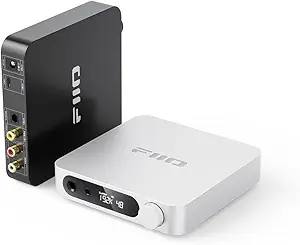
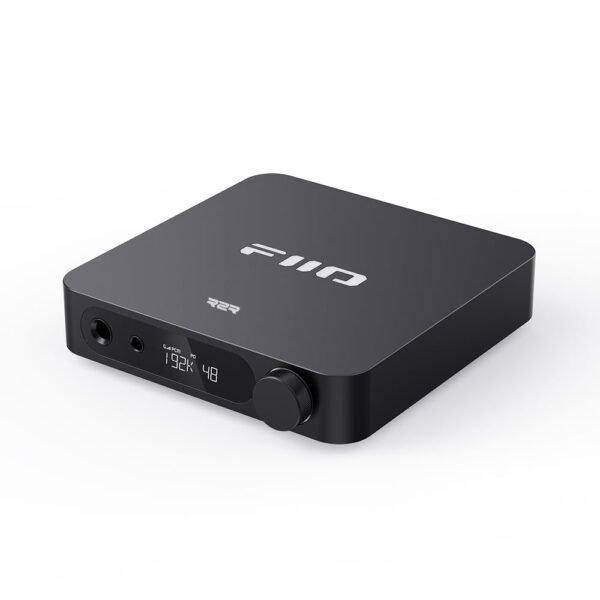
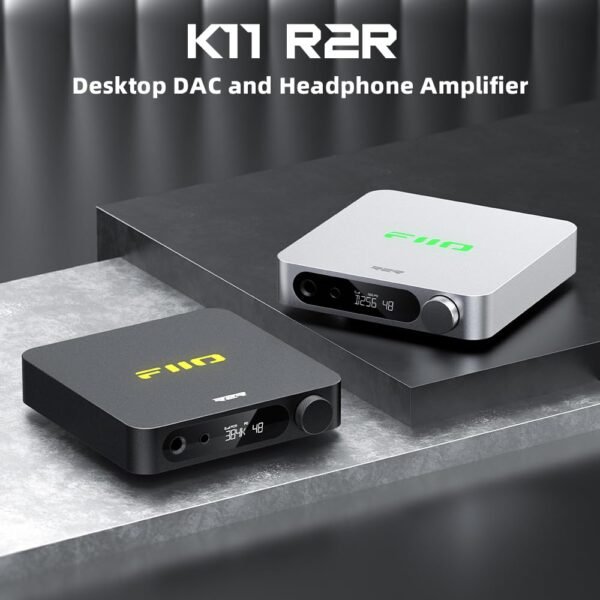
The FiiO K11 R2R is a desktop digital to analog converter with a headphone amplifier, built around an R2R conversion architecture rather than the delta sigma chips that dominate the category. That choice is the reason the product exists, and it is the reason it attracts attention at this price. The listing gives a packaged weight of 2.14 pounds and packaging dimensions of 9.65 by 7.76 by 2.44 inches, with a first availability date of July 12, 2024, placing it among the newer arrivals in the headphone amplifier category.
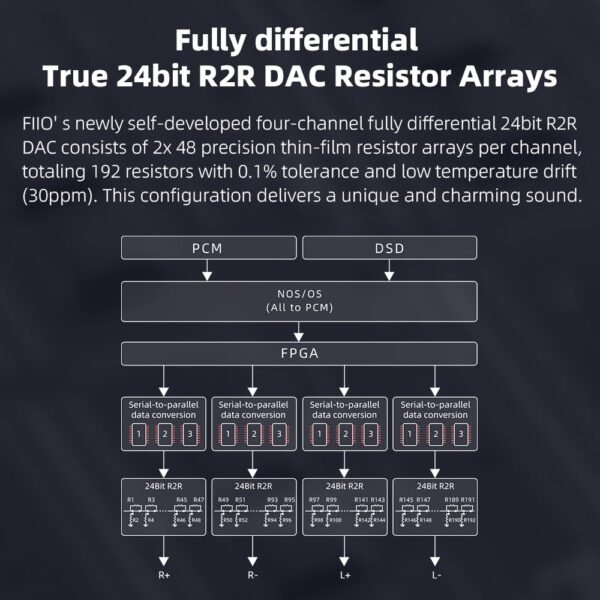
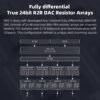
R2R, short for resistor to resistor, is an older conversion method that builds the analog waveform using a ladder network of precision resistors, with one resistor pair per bit of resolution. Delta sigma converters, which are in almost everything else, work by oversampling at very high rates and filtering the result. Both produce accurate output, and measured performance generally favors modern delta sigma designs. R2R persists because a portion of listeners prefer its character, and because implementing it well requires component matching that is expensive at scale.
NOS and OS modes
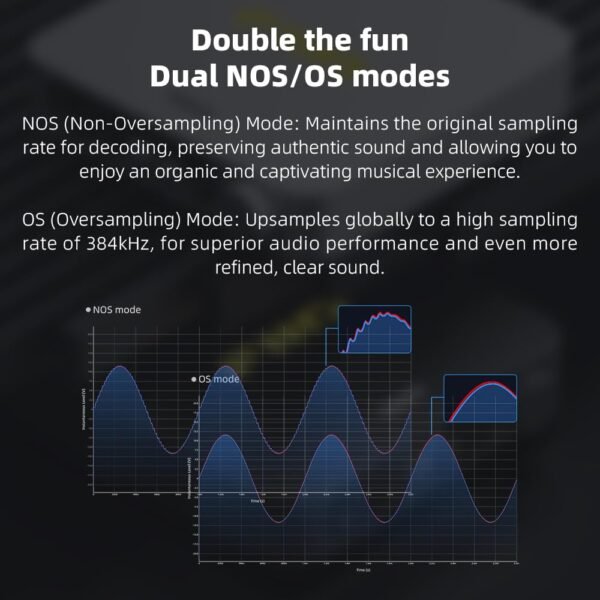
The listing describes switchable NOS and OS modes, which stand for non oversampling and oversampling. This is the practical control that a buyer will actually use, and it is worth explaining because the terms are opaque.
In oversampling mode, the converter applies a digital filter that removes artifacts above the audible band before conversion. This is the textbook correct approach and it produces the flattest measured response. In non oversampling mode, that filter is bypassed and the data is converted as it arrives. Measurements get worse, particularly at high frequencies, but some listeners prefer the result and describe it as more immediate. Having both on a switch means a buyer does not have to choose a philosophy at purchase time, and can compare the two directly on their own music.
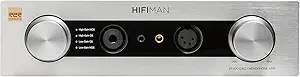
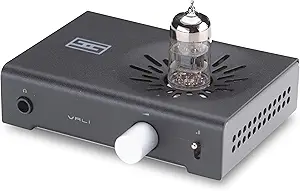
That flexibility is unusual at this level. Desktop units such as the HIFIMAN EF400 take a similar enthusiast oriented approach with a different implementation, while a tube hybrid design like the Schiit Vali 3 pursues character in the amplifier stage rather than in the conversion stage.
Drive capability and desktop use
A desktop unit with a mains supply has a far larger power budget than a portable dongle, and that is the main reason to put one on a desk. Headphones vary enormously in what they demand, and planar magnetic designs such as the HIFIMAN Sundara in particular want current that a bus powered device struggles to supply. The listing describes the K11 R2R as driving headphones across a range of impedances, though it does not publish output power figures into specific loads, which is the number that would settle the question.
The aluminum housing and desktop form factor suit a permanent position beside a computer. This is not a travel device, and it is not intended to be. Buyers who need portability are in the wrong part of the catalog, and buyers who want one device to serve both roles will end up compromising on one of them.
A desktop unit also changes the shape of a system. Once a converter and amplifier sit permanently on a desk, the computer becomes a source rather than an audio device, and the headphone cable plugs into something built for the job instead of into a socket on a laptop edge. That is worth stating plainly because it is the actual upgrade being purchased here. The difference between a laptop headphone jack and a dedicated desktop unit is usually larger than the difference between two competing desktop units at similar prices, so a first move into this category tends to deliver more than any subsequent one.
Highlights
- R2R resistor ladder conversion, uncommon at this level of the market.
- Switchable non oversampling and oversampling modes for direct comparison.
- Combined converter and headphone amplifier in a single desktop unit.
- Aluminum construction with a compact desktop footprint.
- Mains powered, giving more amplifier headroom than a USB dongle.
- Listed as suitable for headphones across a range of impedances.
- Recent product, first listed in July 2024.
Things To Consider
The specification data on this listing is very thin and one field is corrupted. The Customer Reviews entry does not contain a star rating at all; it contains the sales rank text, reading as position 32 in headphone amplifiers, which is the same string that appears in the Best Sellers Rank field. That means there is no rating average or review count available from this record, which for a product less than a year old removes the main way a buyer would gauge reliability.
Beyond that, there is no published output power, no output impedance, no supported sample rate list, no input list and no dimensions for the unit itself as opposed to its packaging. Anyone matching this to a specific headphone, or planning to connect it to powered speakers as well, will need the manufacturer specification sheet rather than this listing.
The R2R architecture should also be understood as a preference rather than an upgrade. Measured performance from a well implemented delta sigma converter at the same price will usually be better on paper. Buyers drawn to R2R because it sounds like a more expensive technology should be aware that they are choosing a character, not buying more accuracy.
Finally, note that this site also covers a separate FiiO K11 desktop converter and amplifier listing. The two share a model number but describe different variants of the design, and a shopper comparing them should check which conversion architecture each listing refers to before ordering, since that is the whole point of difference.
Who it suits
The K11 R2R suits a desktop listener who wants a converter and amplifier in one box, who is curious about resistor ladder conversion without spending heavily to try it, and who wants the ability to switch filtering modes and hear the difference. It also suits an owner of demanding headphones who has outgrown a laptop headphone jack or a portable dongle.
It is not the right purchase for a listener who wants portability, for someone who needs published measurements before buying, or for a buyer who mainly wants speaker output rather than headphone drive. Those buyers should compare the wider selection in the amplifiers category, and check the drive requirements of anything in the over ear headphones category before pairing.