Description
What the Shure BETA 52A Is For
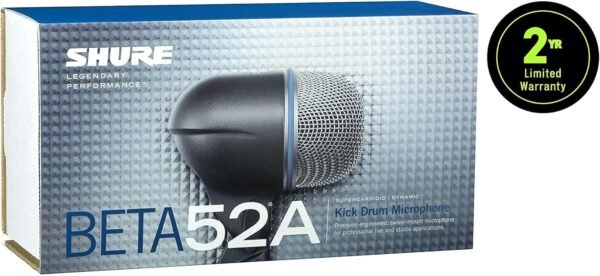
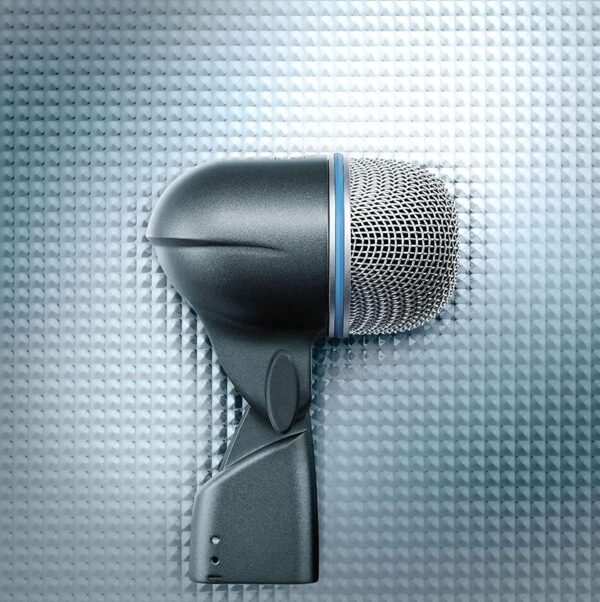
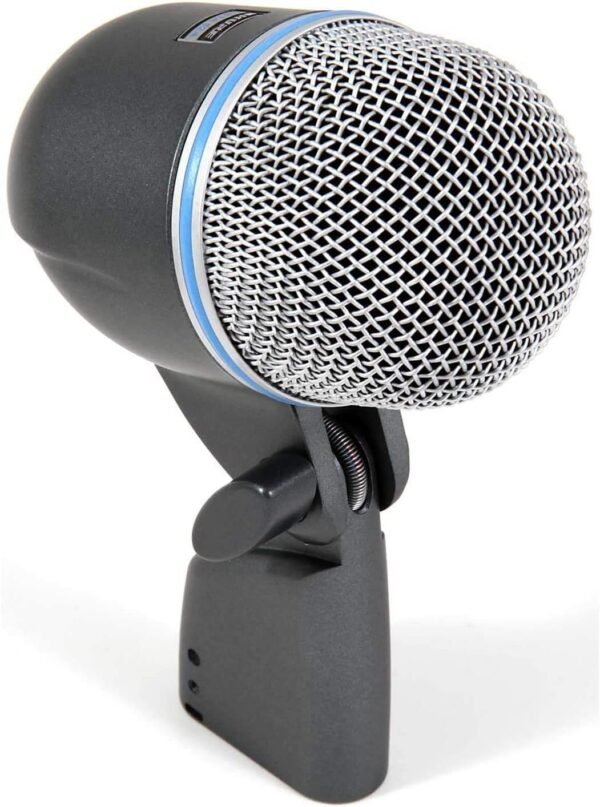
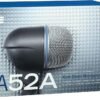
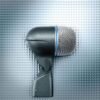
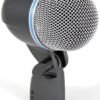
The Shure BETA 52A is a dynamic microphone built for one job: capturing kick drums and other low frequency instruments at high sound pressure levels. Shure describes it as a high output dynamic microphone with a frequency response tailored specifically for kick drums, and the whole design follows from that brief. It is not a general purpose vocal microphone that happens to work on drums. It is a shaped tool, and the shaping is the point.
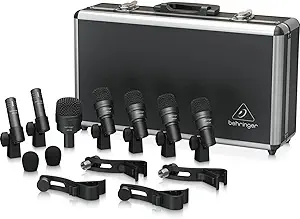
Shure states that the microphone provides attack and punch and delivers studio quality sound even at extremely high sound pressure levels. In practice, that describes the two problems a kick microphone has to solve at once. It has to survive air movement that would overload a sensitive condenser, and it has to render the click of the beater and the body of the shell as two separate things rather than one low frequency smear. A dynamic capsule with a neodymium element handles the first problem, and the tailored response curve addresses the second. Engineers assembling a full drum capture setup often pair a dedicated kick microphone with a multi microphone kit, and the Behringer BC1200 drum microphone set covers the snare and tom positions the BETA 52A is not meant for.
Polar Pattern and Rejection
Shure specifies a modified supercardioid pattern maintained throughout the frequency range. That last part is the meaningful claim. Many microphones have a tidy polar pattern in the midrange and lose it at the frequency extremes, which is exactly where a kick microphone lives. A pattern that holds its shape across the range means the rejection behind the capsule stays consistent, which Shure links to high gain before feedback and to rejection of unwanted sound.
On a live stage, that rejection is worth more than any tonal characteristic. A kick microphone sits inside or just outside a drum shell surrounded by hi hat, snare, floor tom, bass rig, and wedge monitors, and every one of those is a candidate for bleed. A supercardioid pattern narrows the front lobe compared to a cardioid and trades that for a small rear lobe, which is why placement relative to the drummer monitor matters. For studio work the same rejection reduces the phase problems that come from a kick signal arriving late in the overhead microphones. Engineers who want to hear all of that clearly at the console will care about their monitoring chain too, and the multipurpose microphones category collects the room and vocal options that complete a session.
Mounting Hardware and Build
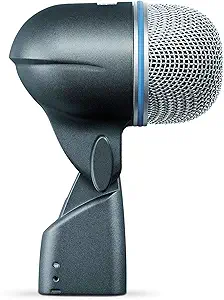
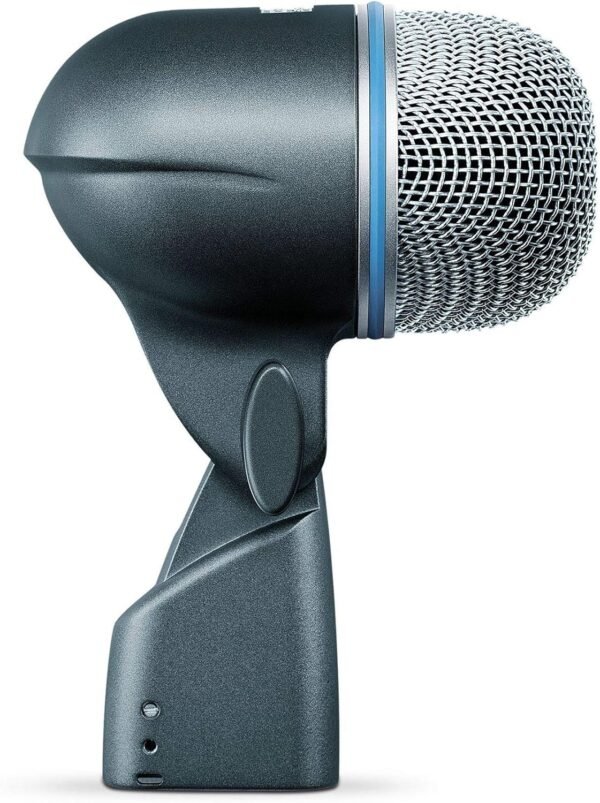
The mechanical design gets as much attention in the listing as the acoustic design, and for a kick microphone that is appropriate. Shure builds in a dynamic locking stand adapter with an integral XLR connector, so the microphone and its mount are a single assembly rather than a capsule dropped into a separate clip. The stated benefit is that the position stays fixed and resists slipping even when subjected to sharp blows and strong vibrations, which is exactly what happens to anything mounted near a kick drum port.
Shure also notes that the BETA 52A succeeds the earlier Beta 52 with a redesigned knob and tightening mechanism for durability, and a wider mounting base that accommodates a larger range of microphone stands. Anyone who has fought a short boom arm inside a drum riser will understand why the base width was worth changing. The grille is hardened steel mesh, which Shure ties directly to the abuse and wear associated with touring. The listing gives the weight as 1.35 pounds and dimensions of 6.41 by 4.45 by 3.75 inches, and the material as alloy steel. The listing also states a signal to noise figure of 78 dB.
Highlights
- Dynamic capsule with a high output neodymium element, shaped for kick drums and bass instruments.
- Modified supercardioid pattern held across the frequency range for gain before feedback and off axis rejection.
- Integral locking stand adapter with a built in XLR connector, so position holds under vibration.
- Hardened steel mesh grille and alloy steel construction aimed at touring use.
- Listing shows a 4.8 star average across 501 ratings, with availability dating back to 2007.
Things To Consider
The specification block on this listing contains errors that a buyer should be aware of, because taken at face value they would lead to the wrong purchase decisions. The power source field states that phantom power is required and refers to condenser microphones. The BETA 52A is a dynamic microphone and does not need phantom power to operate. The battery field claims one AAA battery is required, which is also wrong for a dynamic microphone with no active electronics. The microphone form factor is listed as Boundary, which describes a completely different class of microphone designed to sit on a flat surface. The color is given as Silver on a product that is not silver. None of these entries describe the actual product, and they appear to be imported placeholder data.
Beyond the data problems, the real limitations are the ones that follow from the design. A response curve tailored for kick drums is not a neutral curve, so this is a poor choice for acoustic guitar, overheads, or anything where accuracy matters more than shaping. The supercardioid pattern is less forgiving of placement error than a cardioid, and moving the microphone a few inches inside a drum shell changes the balance of beater click and body substantially. The integral mount is convenient but non removable in the usual sense, so it does not drop into third party shock mounts the way a standard body microphone does. And like any dynamic microphone, it produces a low output level that needs a preamplifier with adequate clean gain behind it.
Who Should Buy It and Who Should Not
The BETA 52A is a sensible purchase for a live sound engineer, a touring drummer, or a project studio owner who records drums regularly and wants a kick microphone that can be left in the case, thrown in a truck, and set up the same way every night. The mount design and the steel grille are aimed squarely at that user, and the long availability history means replacement parts and shared placement knowledge are widely available.
It is not the right microphone for someone who owns one microphone and needs it to do everything, because the tailored low frequency response works against general use. It is also unnecessary for a home recordist capturing programmed drums or working entirely in software. Those buyers are better served by a flexible large diaphragm or dynamic broadcast model such as the Warm Audio WA-47Jr condenser microphone or the Samson Q9U dynamic broadcast microphone, and the wider instrument microphones category shows how specialized this corner of the market really is.