Description
What the QSC K10.2 Is For
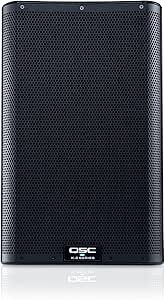
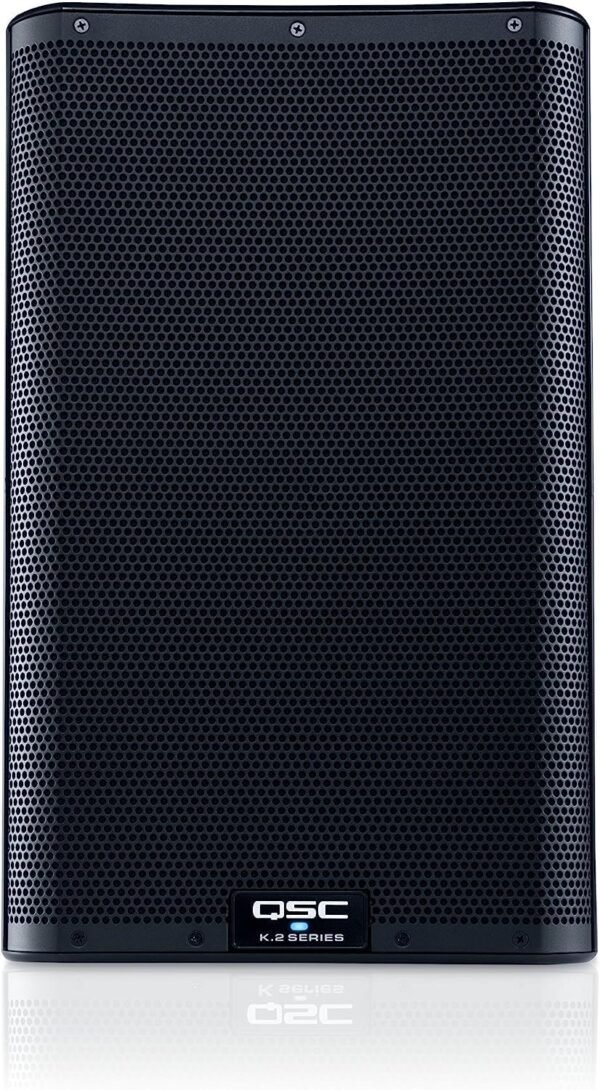
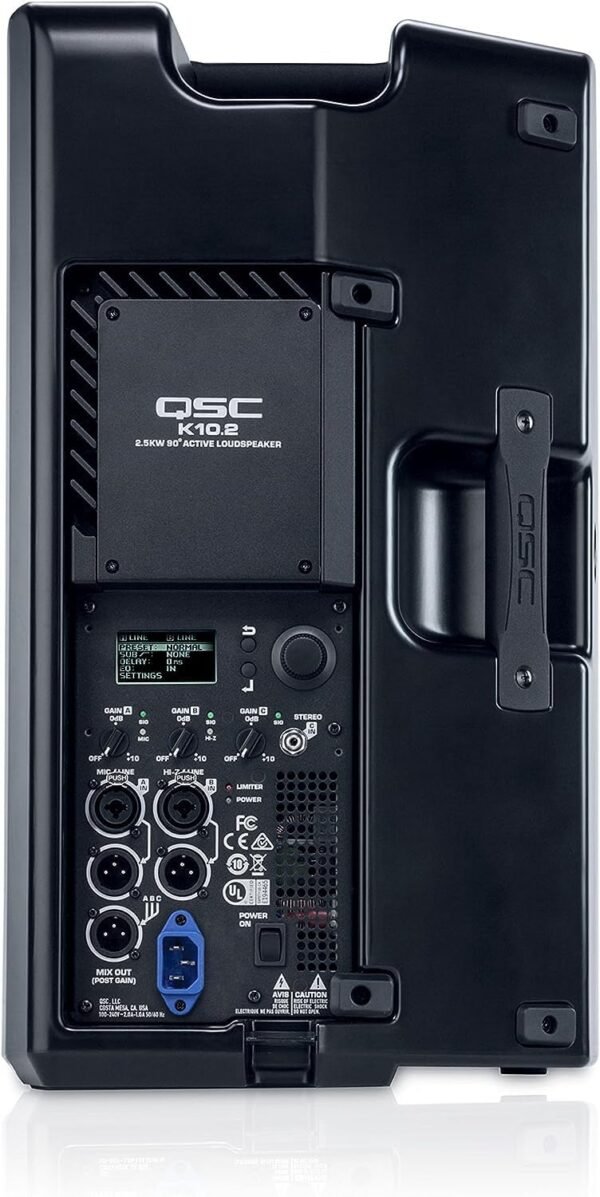
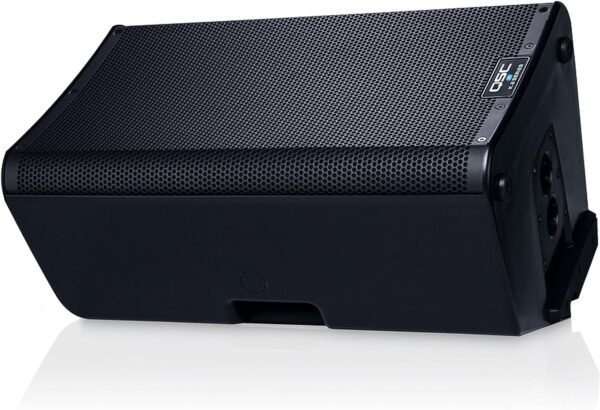
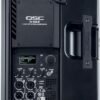
The QSC K10.2 is a self powered loudspeaker built for live sound reinforcement. Self powered, or active, means the amplifier lives inside the cabinet, so the box takes a signal cable from a mixer and a power cable from the wall and needs nothing else. That single architectural decision is what separates this class of product from passive cabinets that require a separate amplifier and speaker cable, and it is the reason active boxes now dominate mobile sound work.
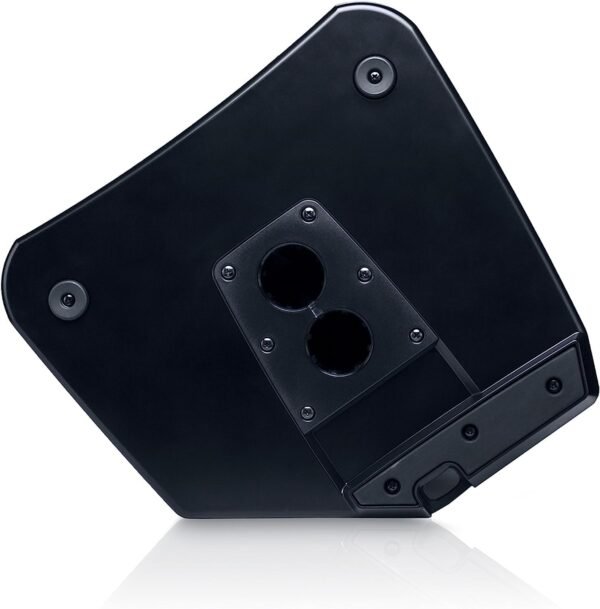
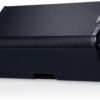
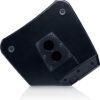
The listing places the K10.2 in the standard two role position for a cabinet this size: it can stand on a pole or a stand as a main speaker facing an audience, or it can lie on the floor as a stage monitor facing a performer. That flexibility is worth more to a mobile operator than any single specification, because it means the same four boxes can cover a wedding one weekend and a band showcase the next. Buyers assembling a small system alongside it can look at the powered cabinets category for the subwoofer and monitor options that typically complete a rig.
Power, Processing, and Control
The headline number on this listing is 2000 watts. That figure describes the onboard amplifier and, as is standard across the category, it is a peak rating rather than a continuous one. Peak figures are useful for comparison between products quoted the same way, and misleading if compared against a continuous rating from a different manufacturer. A buyer choosing between cabinets should confirm which basis each figure uses before concluding that one has twice the power of another.
More practically important is the onboard digital signal processing that the listing describes, along with customizable equalization settings intended to adapt the cabinet to different rooms. Onboard processing in a modern active cabinet typically handles the crossover between the woofer and the high frequency driver, protective limiting so the amplifier does not damage the drivers, and voicing presets for common situations such as floor monitor use or speech reinforcement. Those functions are what make an active box safer to operate than a passive one, since the protection is designed around the specific drivers rather than left to whoever set the amplifier gain. A rack amplifier such as the Crown CDi 1000 power amplifier handles that job externally in a passive system, which is the comparison worth making.
Portability and Construction
The listing emphasizes a lightweight and portable design alongside rugged construction, which is the balance every mobile operator wants and few products fully achieve. The two goals genuinely pull against each other: heavier bracing and thicker enclosure walls improve durability and reduce cabinet resonance, while lighter materials make a one person load in possible. Modern Class D amplification helps, since the amplifier module in an active cabinet is now a small fraction of the weight it would have been two decades ago.
The imported record for this product carries no manufacturer description and no specification table, so this page cannot state the cabinet dimensions, the exact weight, the driver complement, the coverage pattern, the input connector types, or the mounting options. Those are all details a buyer specifying a system needs, and they should come from QSC documentation. For a sense of the size class involved, the passive Yamaha BR12M floor monitor and the compact Behringer Eurolive B205D powered monitor bracket this product from either side.
Highlights
- Self powered design, so the cabinet needs only a signal cable and a power cable.
- Amplifier rated at 2000 watts on the listing, quoted as a peak figure.
- Onboard digital signal processing with adjustable equalization for different rooms.
- Designed for use either as a main speaker on a pole or as a floor wedge.
- Portability emphasized alongside a construction standard aimed at repeated transport.
Things To Consider
The state of the source data is the first thing to flag. The imported listing for this product contains no description and no specification fields at all, only marketing bullets. That means every hard number a buyer would want, other than the wattage figure in the title, is missing from the record this page is built on. Anyone specifying this cabinet for a permanent installation, or matching it to a subwoofer, needs to work from QSC published documentation rather than from a marketplace listing.
The marketing bullets themselves use language this page will not repeat as fact. They describe flexibility in comparative absolute terms and clarity in subjective terms, neither of which corresponds to a measurement. Claims of that kind appear on nearly every product in the category and are not evidence of anything.
There are also real ownership considerations with any active cabinet. An amplifier inside a speaker is an amplifier that travels in a van, gets rained on at outdoor events, and cannot be swapped in five minutes if it fails mid show. Passive systems keep the amplification in a rack where it is protected and where a spare can be patched in quickly, which is why permanent installations often still use them. Active cabinets also require mains power at the speaker position, which means running power to the stage edge or to a pole mounted box, and that is an additional cable run and an additional trip hazard on every event.
Who Should Buy It and Who Should Not
The K10.2 suits a mobile DJ, a small production company, a house of worship, or a band that provides its own front of house. The combination of onboard processing, protective limiting, and dual purpose main and monitor use covers most of what a small system needs, and the self powered format removes the amplifier matching problem entirely for operators who do not want to think about impedance and gain structure.
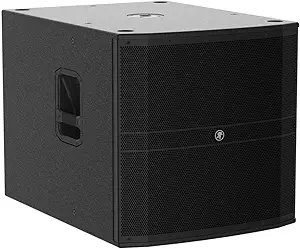
It is less suitable for a permanent install where a rack of amplifiers is preferred for serviceability, for anyone who needs published specifications before purchase, since this listing supplies almost none, and for a home listener, since a live sound cabinet is voiced and built for a completely different job. Buyers who need low frequency support alongside a cabinet like this should look at the Mackie DRM18S powered subwoofer, and those who transport gear weekly should also budget for protection from the bags, cases and covers category.