Description
What the Crusher Evo Does Differently
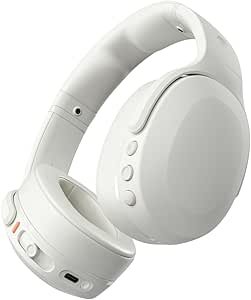
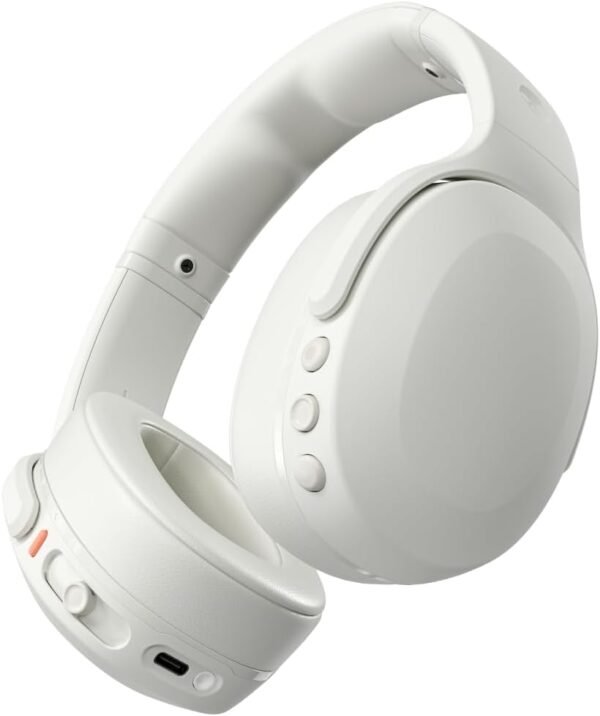
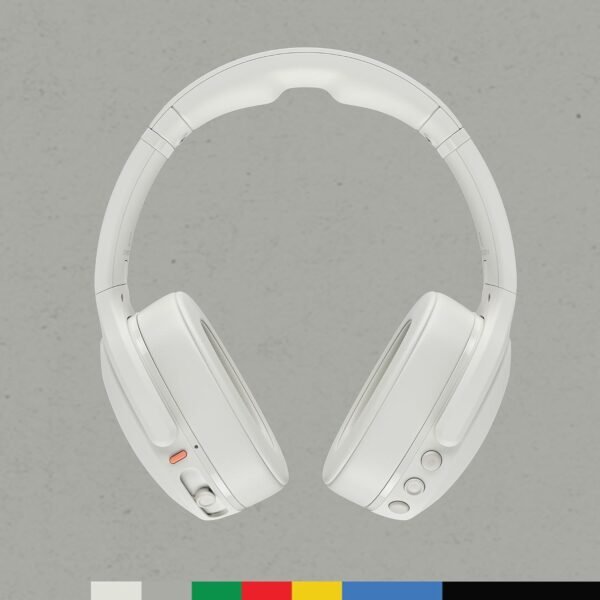
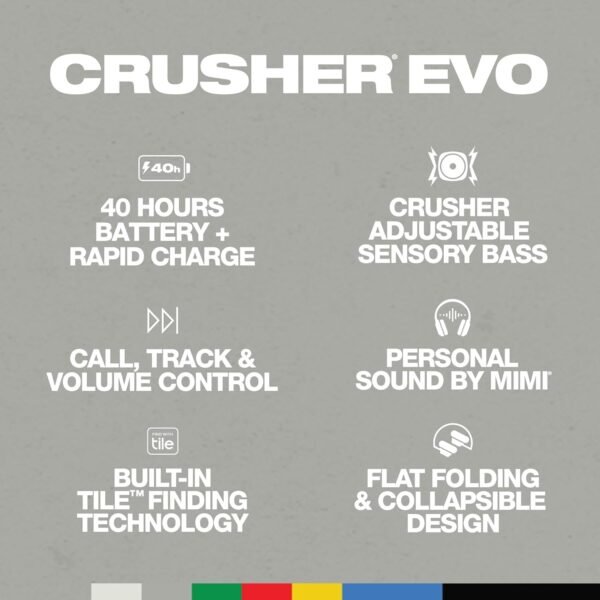
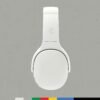
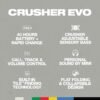
The Skullcandy Crusher Evo is a wireless over ear headphone built around one feature that no mainstream competitor offers: an adjustable haptic bass system. Alongside the conventional drivers, the headphone contains transducers that produce physical vibration in the earcups, and a slider on the headphone controls how much of that vibration is applied. Skullcandy calls this sensory bass, and it is the reason the product exists.
That mechanism is worth understanding because it is genuinely different from an equalizer setting. A bass boost raises the level of low frequencies that the driver already produces. A haptic system adds a separate physical sensation that the ear does not hear so much as feel, closer to standing near a subwoofer than to turning up a tone control. Whether that is appealing is entirely a matter of taste, and it is one of the few audio features where a listener genuinely cannot predict their reaction from a description. Listeners who want low frequency weight through conventional means will find alternatives in the over ear headphones category.
Connection, Battery, and Controls
The listing specifies Bluetooth 5.0 for the wireless connection, with a stated range of 10 meters, and lists a cable and a user manual in the box alongside the headphones. A 3.5 mm jack is listed, which means the headphone can be used passively when the battery is flat, a useful fallback that not every wireless model provides.
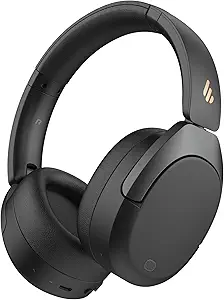
Battery life is given as 40 hours, which is a strong figure for a wireless headphone and is helped by the fact that the sensory bass system, while power hungry when driven hard, is under user control. Controls are described as media control with voice as a control method, so a voice assistant can be summoned from the headphone. The construction material is listed as plastic, which keeps the weight down on a headphone that already carries extra transducers. The listing gives the product dimensions as 7.91 by 7.36 by 3.54 inches. Buyers comparing conventional wireless designs at similar battery figures can look at the Edifier W830NB wireless over ear headphones.
Isolation and Intended Use
The noise control field reads sound isolation, which is accurate and important. This headphone blocks noise passively, by covering the ear, and does not use microphones and processing to cancel it. That is a meaningful difference for a commuter: passive isolation reduces higher frequency sound such as conversation reasonably well and does comparatively little against engine and cabin rumble, which is exactly the noise active cancellation handles best.
There is an interaction worth noting between that limitation and the headline feature. Low frequency ambient noise is what active cancellation removes and what this headphone does not remove, and low frequency reproduction is what the sensory bass system emphasizes. On a train or a plane, that means the ambient rumble sits in the same region as the effect the headphone is built to deliver. The listing positions the product across gym, travel, gaming, school, and sports use, which is a broad claim, and buyers whose priority is quiet rather than impact should compare a cancelling model such as the Sennheiser ACCENTUM Plus wireless headphones instead.
Highlights
- Adjustable sensory bass system producing physical vibration under user control.
- Battery life listed at 40 hours over a Bluetooth 5.0 connection.
- 3.5 mm jack and included cable, so the headphone works passively with a flat battery.
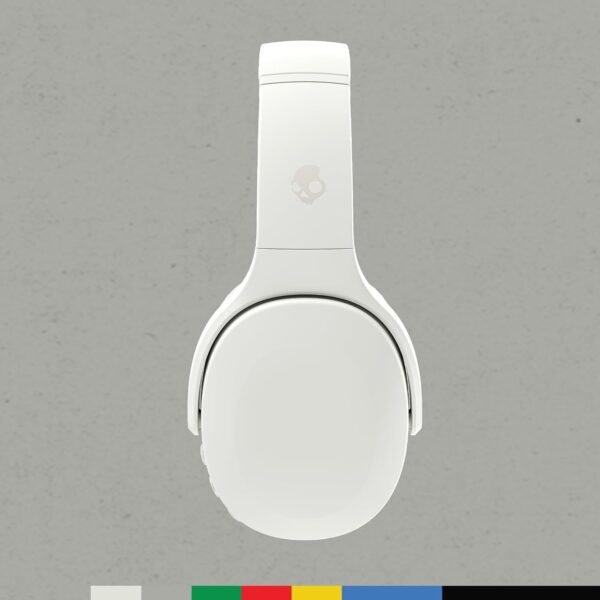
- Plastic construction that keeps weight down despite the additional transducers.
- Passive sound isolation from a closed over ear design.
Things To Consider
The most important thing on this listing is not a specification. The product title states that this item is discontinued from the manufacturer, and the description states plainly that it is not eligible for the manufacturer warranty. Those two facts should carry more weight in a purchase decision than any feature on the page. A discontinued headphone with no warranty coverage means no repair path, uncertain availability of replacement earpads, and no assurance that the companion application will continue to be updated. Anyone considering this listing should factor that in before anything else.
The specification table contains several entries that are plainly wrong. The item weight reads 0.01 ounces, which is impossible for a headphone. The charging time reads 40 hours, which is the battery life figure repeated in the wrong field. The battery field claims lithium metal batteries are required, when the product uses a rechargeable lithium ion cell. The cable feature reads Without Cable while the included components list a cable. The frequency response field reads 20 Hz alone, which is half of a range. The recommended uses field lists Calling and Skateboarding.
The customer feedback also provides almost nothing to work with. The listing shows a 5.0 star average across 14 ratings, with a first availability date in April 2024. Fourteen ratings is far too small a sample to draw any conclusion from, and a uniformly high score on a tiny sample is the least informative pattern in customer feedback. Buyers should not treat that rating as evidence. On the product itself, the honest limitation is that haptic bass divides opinion sharply, and there is no way to know which side of that line a given listener falls on without hearing it.
Who Should Buy It and Who Should Not
The Crusher Evo suits a listener who specifically wants the physical bass sensation, has heard it before and liked it, and is comfortable buying a discontinued product without warranty coverage. For electronic music, film, and gaming, the effect is what it was designed for, and the 40 hour battery and passive fallback are practical strengths.
It is the wrong purchase for anyone who wants accurate reproduction, for anyone who needs active noise cancellation on a commute, and for anyone who would be uncomfortable owning a headphone with no manufacturer support. Those buyers should look at current models with warranty coverage, including the options in the on ear headphones category for a lighter alternative, or the Audio-Technica ATH-M40x studio monitor headphones if neutrality is the goal.