


Description
What the MINISO MS156 Is
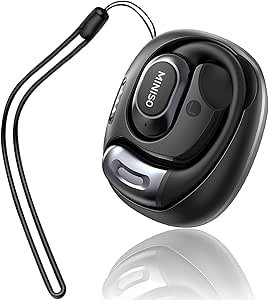
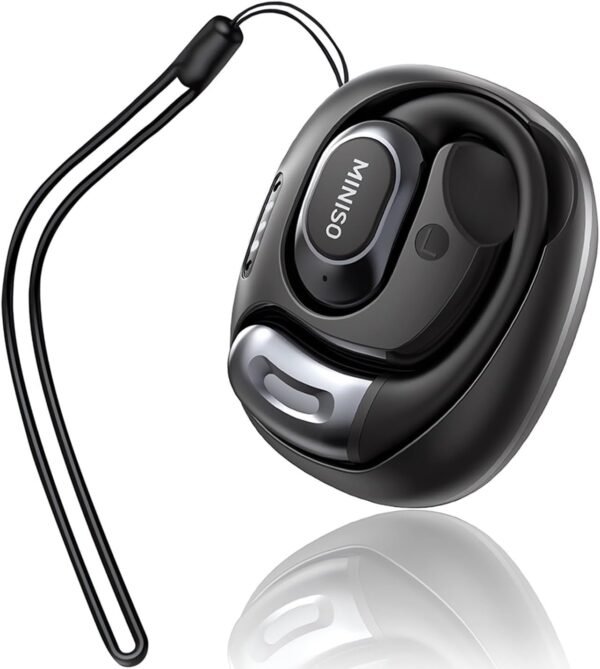
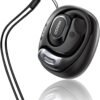
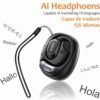
The MINISO MS156 is an open ear true wireless headphone with earhooks, built around dual 14.2 millimeter dynamic drivers, Bluetooth 5.4, and a translation feature the listing says supports 135 languages. The listed accessories are a charging case, a cable, and a manual, with a charging time of 1.5 hours and a stated frequency range of 20 Hz to 20,000 Hz. The material is listed as silicone and the earpiece shape as a hook.
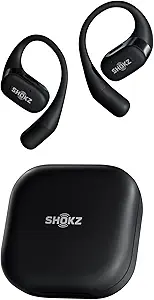
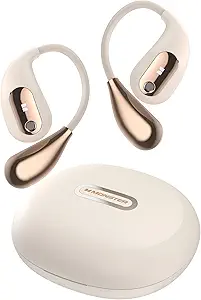
Open ear means the driver sits outside the ear canal rather than sealing into it, so ambient sound is fully audible. That is the same format used by the Monster Open Ear AC210 headphones and it suits the same audience: people who need to hear traffic, colleagues, or a household while listening. A 14.2 millimeter driver is large for an earphone, which is a sensible choice in an open design where there is no sealed volume to help produce low frequencies. Buyers comparing the field can browse the open ear headphones category.
The Translation Feature
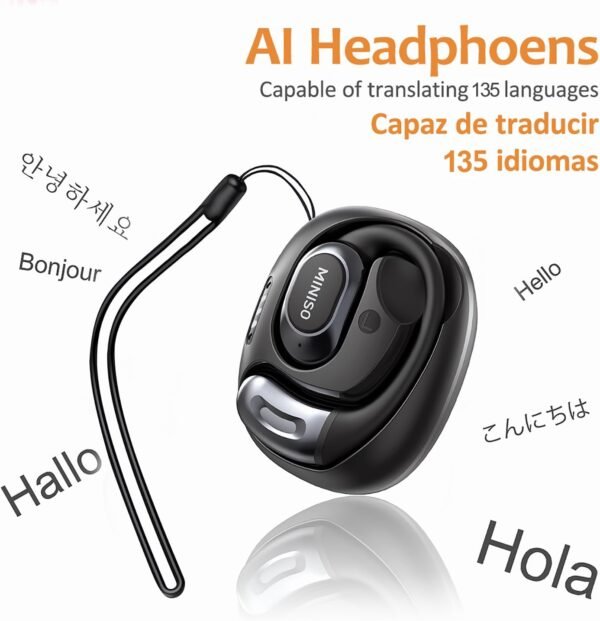
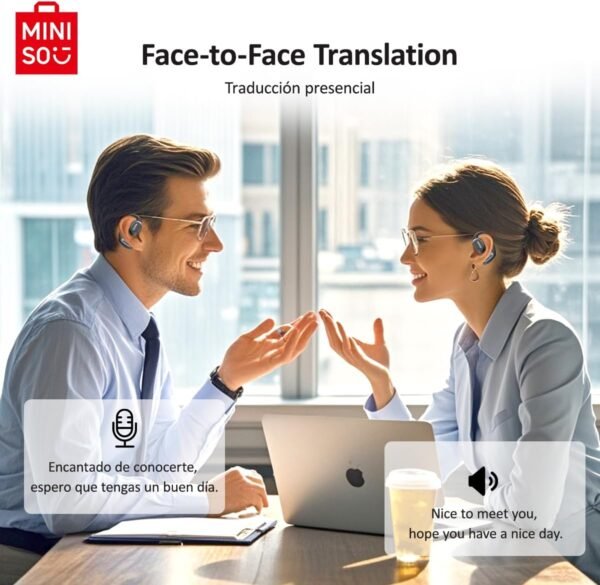
The distinguishing claim on this listing is real time translation across 135 languages. Features of this kind work by streaming captured speech to a cloud translation service through a phone application and returning the translated result to the earphones or the phone screen. Understanding that architecture is the key to setting expectations, because several things follow from it directly.
Translation requires the phone and an internet connection, so it does not work on an aircraft or in a tunnel unless offline language packs are supported, which this listing does not address. It requires the companion application to remain available and supported, and the translation quality is determined by the service behind it rather than by the earphones. Latency is inherent, since speech has to be captured, uploaded, translated, and returned. And accuracy varies enormously by language pair, with major European and Asian pairs performing far better than less common ones. A 135 language count describes coverage rather than quality, and no listing can indicate how well any given pair performs. Travelers should treat this as an aid rather than as a substitute for a phrasebook or a dedicated translation application, which most phones already run for free.
Fit, Battery, and Everyday Use
The hook design wraps behind the ear and holds the driver in position in front of the canal opening. That is the standard retention method for open ear designs and it is effective during movement, which is why the listing positions the product for travel and fitness. It is also the arrangement that competes with glasses temples for space behind the ear, so glasses wearers should consider that before buying.
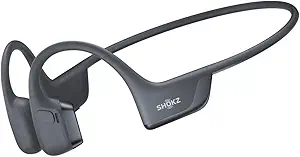
Charging is quoted at 1.5 hours, which is fast, and the case is included. Bluetooth 5.4 is a current revision and the control method is listed as both application and touch. What the listing does not give is the battery life, either per charge or combined with the case, which is a notable omission on a product whose title advertises long battery life. That figure should be obtained from MINISO. Listeners who want a hook design with a documented battery figure should compare the SHOKZ OpenRun Pro2 bone conduction headphones.
Highlights
- Open ear design that leaves the ear canal clear, preserving awareness of surroundings.
- Dual 14.2 millimeter dynamic drivers, large for the earphone format.
- Bluetooth 5.4 with both touch and application control.
- Translation feature listed as covering 135 languages through the companion application.
- Charging case included with a stated charging time of 1.5 hours.
Things To Consider
The customer feedback on this listing is the first thing a prospective buyer should weigh. It shows a 3.4 star average across 69 ratings, which is the lowest average of any product in this batch and low enough to indicate a consistent problem rather than random variation. Sixty nine ratings is a small sample but not a negligible one, and anyone considering this product should read the individual reviews carefully before ordering.
Several specification fields are wrong. The batteries field states that one 9 volt battery is required and included, which is impossible for a true wireless earphone. The cable feature reads Detachable, on a product with no cable to the earpieces. The water resistance level reads Waterproof with no ingress protection rating anywhere on the listing, which is a claim with nothing behind it. The Bluetooth range reads 1E+1 meters, which is 10 in scientific notation. The number of power levels reads 10. The style field reads Modern. The item weight of 2.89 ounces describes the package rather than the earphones.
The battery life omission is significant given that the product title advertises long battery life without a number anywhere in the record. So is the absence of an ingress protection rating on a product positioned for fitness use. The open ear format also carries its inherent limits: no isolation from ambient noise, restricted low frequency output because there is no sealed volume, and audible leakage to people nearby at higher volumes. And with a first availability date in late 2024, there is not yet a long term durability record for this model.
Who Should Buy It and Who Should Not
The MS156 suits someone who specifically wants an open ear earphone and finds the translation feature genuinely useful for travel or multilingual conversation, and who is comfortable buying on a limited ownership record. The large drivers and the hook retention are appropriate choices for the format.
It is a difficult recommendation for anyone else. Buyers who want an open ear design without the translation feature will find better documented products with stronger ratings in the same category, including the SHOKZ OpenFit open ear headphones. Buyers who want isolation, deep bass, or noise cancellation should look at sealed designs in the earbud headphones category instead, since an open ear earphone cannot deliver any of the three.