
Description
What the FiiO BR13 Is For
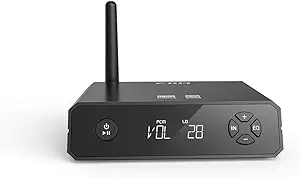
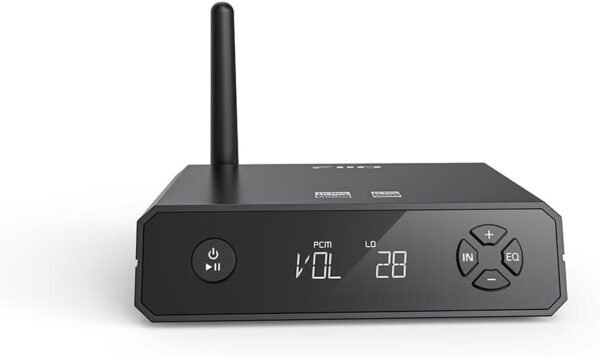
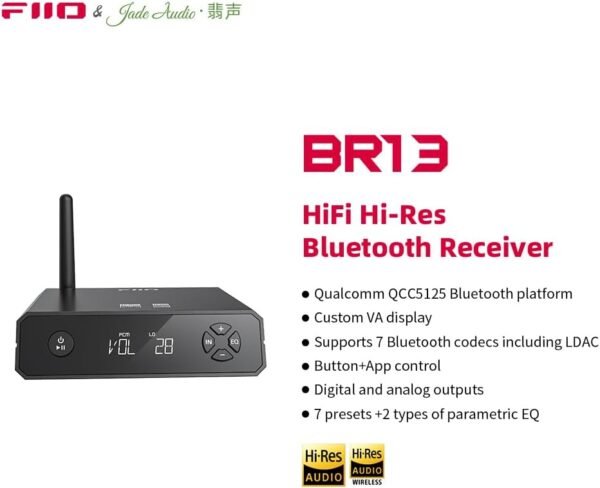
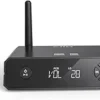
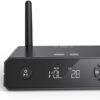
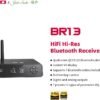
The FiiO BR13 is a Bluetooth receiver designed to add wireless streaming to a wired audio system, with LDAC codec support and the ability to work as a USB digital to analog converter. The listing describes a long range Bluetooth connection, an OLED display, adjustable equalization, and a compact build intended to sit alongside existing equipment.
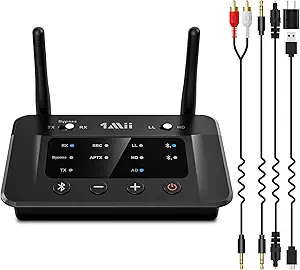
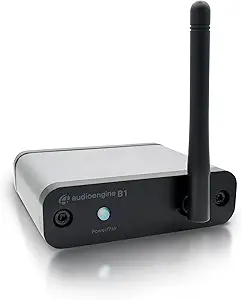
The problem this solves is common. A perfectly good stereo amplifier, a pair of powered speakers, or a shelf system built before wireless streaming became standard has no way to receive audio from a phone. Replacing the whole system to gain that one capability makes no sense, and a receiver of this kind is the cheapest and least disruptive fix. Alternatives in the same role include the Audioengine B1 Bluetooth receiver and the dual direction 1Mii B03 Bluetooth audio adapter, and the full range is in the wireless audio receivers and adapters category.
LDAC and Why the Codec Matters
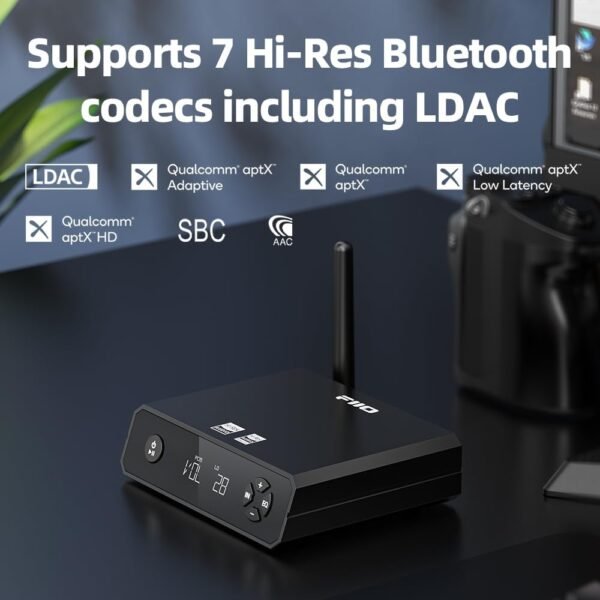
The codec is the specification that most directly determines audio quality over a Bluetooth link, and it matters far more than the Bluetooth version number. The baseline codec, SBC, is mandatory on all devices and is the fallback when nothing better is available. LDAC, developed by Sony, carries substantially more data and is designed for higher resolution material.
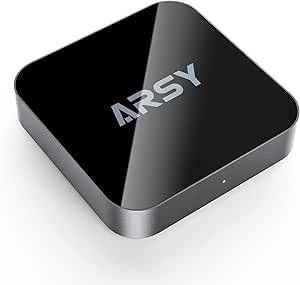
Two conditions apply. The source device must also support LDAC, which most current Android phones do and iPhones do not, and the connection has to be stable enough to sustain the higher bitrate, since LDAC adapts downward when the link is congested. For a receiver connected to a home stereo, the second condition is usually satisfied because both devices sit still in the same room. Anyone whose phone does not support LDAC will still get a working connection over a lesser codec, but the feature that distinguishes this product from a cheap adapter will not be in use. Buyers who want a network based streamer rather than a Bluetooth link should compare the ARSY NE-2 streaming music receiver.
The USB Converter Function and the Display
The second role listed is as a USB digital to analog converter, meaning the unit connects to a computer over USB and handles the conversion for that source as well. That doubles the product usefulness on a desk, where the same box can take a wired connection from a computer and a wireless one from a phone, feeding one set of speakers or one amplifier. It also means the converter inside is used for both paths, so the quality of that component determines what both sources sound like.
The OLED display is a small feature with real value on a device of this kind. Bluetooth receivers without a display leave the user guessing about which device is connected, which codec is in use, and what the equalization is set to, and those are exactly the things that matter when troubleshooting a connection. Being able to see that LDAC is actually active rather than assuming it is removes the main uncertainty in the whole proposition. Adjustable equalization is unusual on a receiver and allows correction to be applied before the signal reaches an amplifier that may have no tone controls at all, which is common on modern minimalist designs.
Highlights
- Adds Bluetooth streaming to any wired amplifier, powered speaker, or shelf system.
- LDAC codec support for higher bitrate wireless audio from compatible sources.
- Also functions as a USB digital to analog converter for a computer.
- OLED display showing connection and codec status rather than leaving it to guesswork.
- Adjustable equalization applied before the signal reaches the amplifier.
Things To Consider
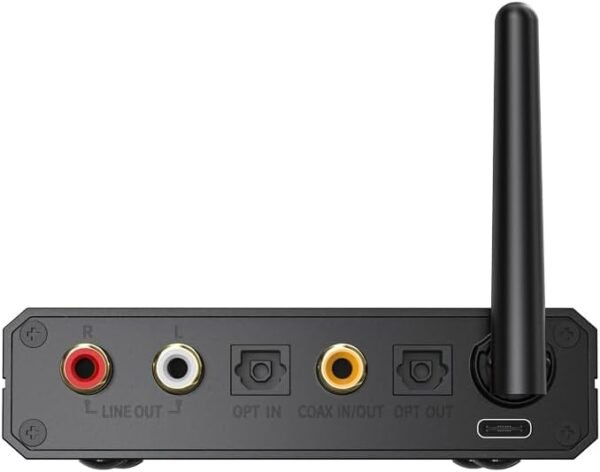
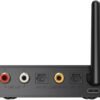
The imported record for this product carries no manufacturer description and no specification table. That leaves out everything a buyer would use to plan an installation: the output connector types, whether a line level analog output and a digital output are both provided, the converter chip or its supported sample rates, the Bluetooth version, the full codec list beyond LDAC, the power requirement, whether it runs on USB power or needs a separate supply, the dimensions, and the weight. Output connector type is the one that would stop an installation dead, since a receiver with only a 3.5 mm output and an amplifier with only RCA inputs needs an adapter cable that is not mentioned anywhere.
The claims that are present are subjective marketing statements. Impressive sound quality, noticeable richness, and a premium feel are descriptions rather than measurements. This page reports them as listing claims. The range claim is also unquantified, described only as long range, and Bluetooth range in practice depends on walls, interference, and the transmitting device as much as on the receiver.
Two structural considerations apply to any Bluetooth receiver. First, a wireless link introduces latency, which is irrelevant for music and visible when watching video, so anyone planning to use this with a television should confirm the latency behavior. Second, a receiver adds a conversion stage to the signal path, so the quality of the internal converter sets a ceiling on what the rest of the system can deliver from a wireless source, regardless of how good the amplifier and speakers are. That is the argument for choosing a receiver from a company that specializes in converters rather than the cheapest available adapter.
Who Should Buy It and Who Should Not
The BR13 suits an owner of a wired system who wants to stream from a phone without replacing anything, particularly an Android user who can take advantage of LDAC. The USB converter function and the display make it more useful on a desk than a plain adapter, and the equalization is a genuine addition for systems with no tone controls.
It is the wrong purchase for anyone whose main need is sending audio out to Bluetooth headphones, which requires a transmitter rather than a receiver, and for anyone who wants multiroom streaming or service integration, which needs a network connected streamer. Those buyers should look at a dual direction adapter, or at a full system such as the KEF LS60 wireless system where the streaming is built into the speakers.