Description
AudioQuest DragonFly Red: a digital to analog converter the size of a memory stick
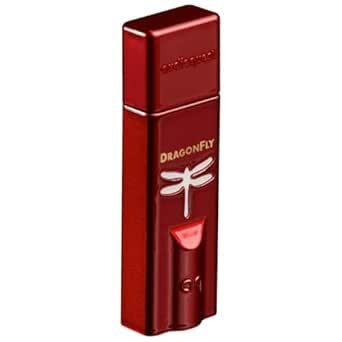
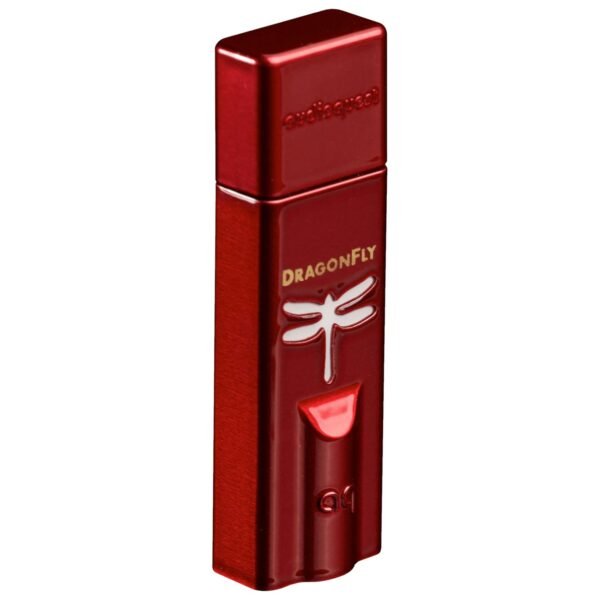
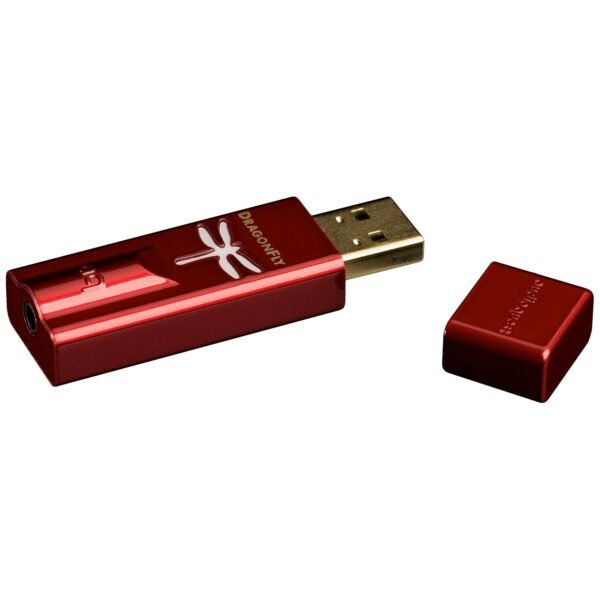
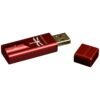
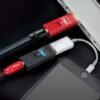
The AudioQuest DragonFly Red is a USB digital to analog converter with a headphone amplifier built in, packaged in a housing barely larger than a flash drive. The listing gives dimensions of 2.44 by 0.75 by 0.47 inches and a weight of 3.5 ounces, with a country of origin of the United States and a first availability date of March 25, 2016. It sits in the headphone amplifier category on the marketplace and has accumulated more than 4,400 ratings at a 4.4 star average.
The job it performs is straightforward to describe. Every digital source has to convert its ones and zeros into an analog waveform before a headphone or a speaker can reproduce it, and the quality of that conversion, plus the amplification that follows, sets the ceiling for everything a listener hears. A laptop or a phone performs that conversion with a small circuit squeezed in beside noisy digital components. A dongle converter takes the digital data out over USB and does the conversion in a separate housing, away from that interference, with an amplifier stage designed for headphones rather than for cost.
Where a dongle converter fits
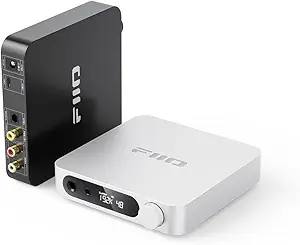
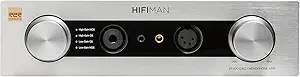
The DragonFly format targets a specific gap. Desktop units such as the FiiO K11 or the HIFIMAN EF400 deliver more power and more connectivity, but they need mains power and a place on a desk. A dongle draws its power from the USB port, adds nothing to a bag, and travels with a laptop. For a listener who works in several places, that portability is the entire argument.
Portability carries a cost in output power. Anything running from a USB port has a limited power budget, which is why dongle converters pair well with efficient headphones and in ear monitors, and less well with demanding planar magnetic designs. A headphone such as the HIFIMAN Sundara generally asks for more current than a bus powered device can comfortably supply, and buyers pairing a planar headphone with a dongle should expect to lose dynamics at higher volumes. A valve based desktop design like the Schiit Vali 3 exists at the opposite end of that tradeoff.
Compatibility and connection
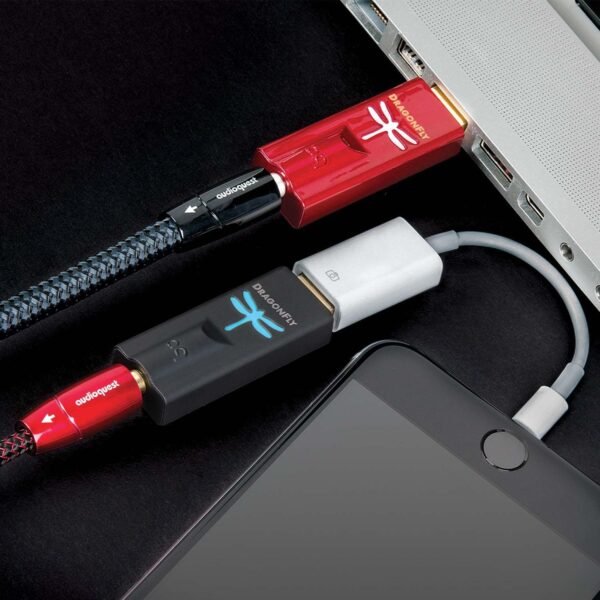
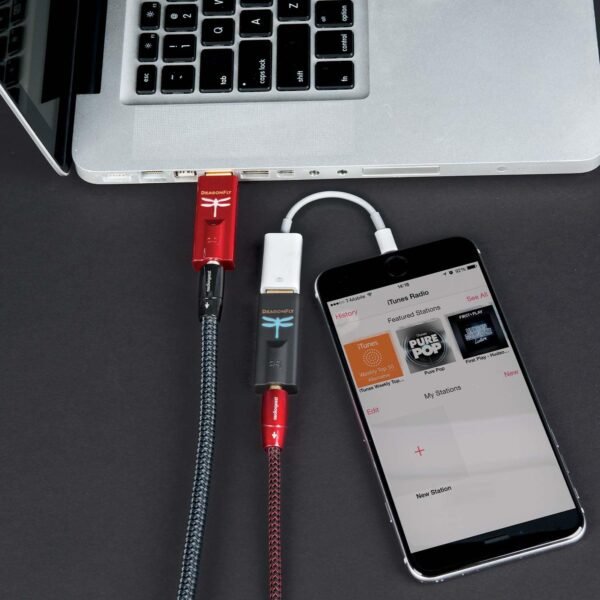
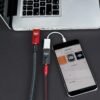
The unit connects over USB, and the practical question for most buyers is what it plugs into. A laptop with a USB A port takes it directly. A phone or a tablet requires an adapter appropriate to its connector, and the listing does not state which adapters, if any, are supplied. That should be checked before ordering, since a converter with no way to reach the source device is of no use.
Nothing in the imported specification table describes the supported sample rates, the output voltage, the output impedance or the internal converter chip. Those are the four figures an enthusiast would normally compare, and their absence means the specification side of this listing is effectively blank. Everything above is drawn from the product format and the dimensions given rather than from a published performance sheet.
One consequence of that is worth spelling out. Without an output impedance figure, there is no way to predict from this listing how the amplifier will interact with a low impedance in ear monitor, where a high output impedance can audibly change the frequency response of a multi driver design. Without a stated output voltage, there is no way to calculate whether a given headphone will reach a comfortable listening level. These are not obscure enthusiast concerns; they are the two numbers that decide whether a converter and a specific headphone work well together, and a buyer pairing this with something unusual should find them before ordering rather than after.
Highlights
- Combined digital to analog converter and headphone amplifier in one small housing.
- Very compact at 2.44 by 0.75 by 0.47 inches and 3.5 ounces.
- USB powered, with no separate mains supply to carry.
- Moves conversion away from the noisy electrical environment inside a computer.
- Country of origin listed as the United States.
- Established product, on sale since March 2016.
- Large feedback base of more than 4,400 ratings at 4.4 stars.
Things To Consider
This listing contains one of the clearest data faults in the catalog. The Customer Reviews field does not contain a rating alone; it contains raw page script from the source site, including JavaScript function calls and click tracking code, with the rating figure buried inside it. That is a scraping artifact rather than anything to do with the product, but it is worth naming because it demonstrates how unreliable imported marketplace data can be. The usable information in that field is the 4.4 star average and the rating count.
Output power is the practical limitation of the format. Efficient in ear monitors and portable headphones are well matched. High impedance studio headphones and planar magnetic designs are not, and buyers should check the requirements of the headphones they own before assuming a dongle will drive them properly.
Battery drain matters when the source is a phone. A dongle converter takes its power from the host device, which shortens phone battery life noticeably during long listening sessions. Laptop users will barely notice; phone users on a long flight will.
Finally, this is a 2016 product in a category that has moved quickly. Newer dongles frequently support higher sample rates and include features such as balanced outputs that did not exist in this generation. The absence of any published specification in the listing makes it impossible to judge from this page how it compares with a current alternative, so anyone weighing it against a newer device should look for the manufacturer specification sheet directly.
Who it suits
The DragonFly Red suits a laptop listener who wants a clear improvement over a built in headphone jack without adding a desktop box, a traveler who needs a converter that fits in a pocket, and an owner of efficient headphones or in ear monitors who does not need high output power.
It is the wrong choice for demanding planar or high impedance headphones, for a permanent desktop setup where a mains powered unit offers more capability for the money, and for a buyer who wants published specifications before purchase. Those buyers should compare the desktop options in the amplifiers category, and check the drive requirements of anything in the over ear headphones category before pairing it with a bus powered device.