Description
What the Bose QuietControl 30 Is
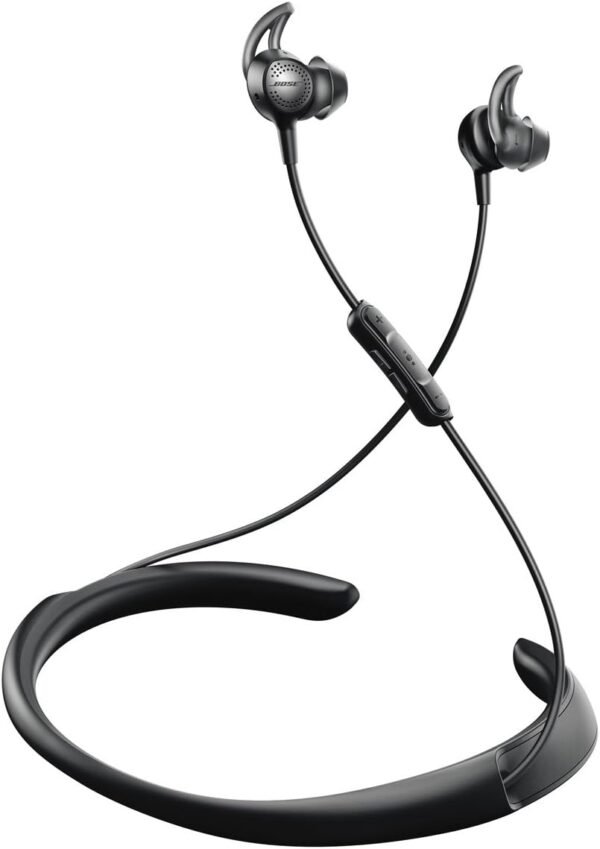
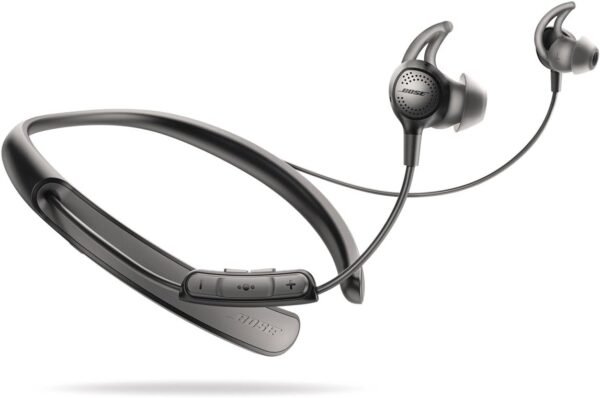
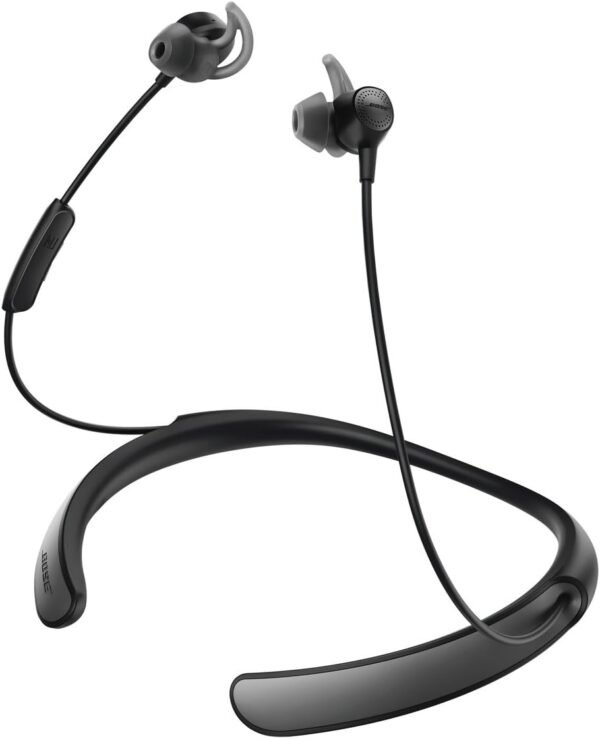
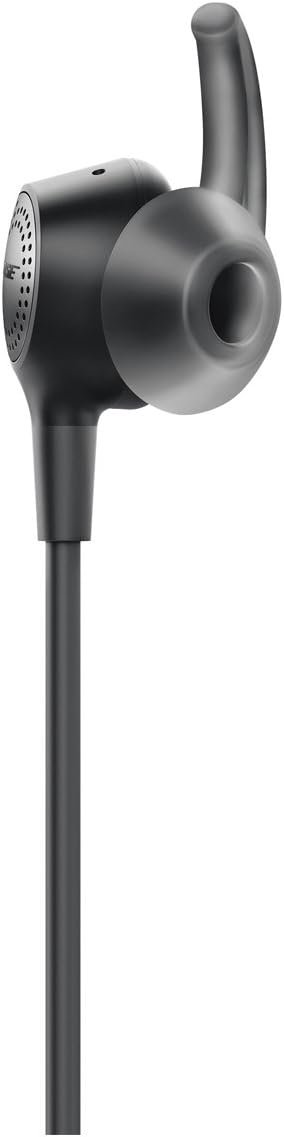
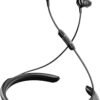
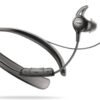
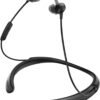
The Bose QuietControl 30 is a neckband style wireless earphone with active noise cancellation. The neckband format sits between two more common designs: it is not a pair of fully separate true wireless buds, and it is not a headband headphone. A flexible collar rests around the neck and carries the battery, the electronics, and the controls, with two earpieces on short cables that tuck away when not in use. That layout was popular in the years before true wireless matured, and it still solves a specific set of problems well.
The chief argument for a neckband is that the earpieces are never lost, because they stay attached to the collar. Take them out mid conversation and they hang on your chest rather than needing a case. The collar also has room for a larger battery and larger antennas than a bud can hold, which historically translated into steadier connections and longer runtime. Against that, the collar itself is always there, it can catch on clothing collars, and it moves with the head. Listeners deciding between formats should compare against a true wireless set such as the Moondrop Space Travel true wireless earbuds before assuming a neckband is dated.
Adjustable Noise Cancellation
The most distinctive claim in this listing is adjustable noise cancellation, described as letting the listener control how much outside sound is blocked. This is worth explaining, because it differs from the on and off approach many cancelling headphones use, and from the transparency modes that pipe outside sound back in through microphones. An adjustable system gives a range of settings between full cancellation and something closer to open listening, which means the same product can suit a flight and an office corridor without the listener choosing between two extremes.
In practice, adjustable cancellation is most useful for people who want to stay partly aware of their surroundings but do not want to lose the noise floor reduction entirely. A worker who needs to hear a colleague say their name, a commuter who wants announcements, or a runner on a shared path all sit in that middle ground. The alternative approach, leaving the ear canal completely open, is taken by products in the open ear headphones category, which give awareness at the cost of any noise reduction at all.
Battery, Calls, and Pairing
The listing quotes a 10 hour battery life with a fast charge option. For a neckband, a single figure of this kind is straightforward to interpret because there is no charging case adding a second number: 10 hours is what one charge is stated to give. That is a full working day for most listeners, and it compares favorably with true wireless buds where the buds themselves typically run for a fraction of that before returning to a case. The fast charge option matters for the same reason. A neckband with a flat battery cannot be topped up in a pocket, so a short charge that buys a useful amount of runtime is a meaningful convenience.
For calls, the listing describes a dual microphone system intended to reduce surrounding noise for the person on the other end. Two microphones allow a device to compare what each hears and suppress sound arriving from directions other than the mouth, which is the standard approach in this class. Pairing is over Bluetooth with NFC support listed as an alternative, where tapping a compatible phone against the collar triggers the connection. NFC pairing has become less common on newer devices, so buyers should check whether their phone still supports it rather than counting on it. Anyone whose main use is desk based calling might get more from a dedicated headset such as the Jabra Engage 65 stereo wireless headset.
Highlights
- Neckband design that keeps the earpieces attached and reachable at all times.
- Adjustable noise cancellation rather than a simple on and off switch.
- Battery life quoted at 10 hours from a single charge, with a fast charge option.
- Dual microphone system aimed at reducing background noise on calls.
- Bluetooth pairing with NFC tap to pair listed as an alternative.
Things To Consider
The source listing for this product is very thin. There is no manufacturer description and no specification table in the imported record, so there is no published driver size, no Bluetooth version, no codec list, no ingress protection rating, no charging connector, and no weight. For a product whose selling point is a tunable electronic feature, the absence of a documented control range is a real gap. Buyers who need any of those details should get them from Bose rather than from the marketplace page, and buyers who want an in ear set with fully documented specifications will find better data elsewhere in the earbud headphones category.
The format carries structural limitations too. A neckband transmits movement: brushing the collar against a jacket or a seat back can be audible through the earpieces in a way that a true wireless bud avoids entirely. The collar is also a single point of failure, since the battery is not replaceable in normal use and a worn charging port ends the product life rather than one earpiece. Long term, that is the main durability argument against the design.
Finally, this is an older product generation. Neckband earphones were largely superseded by true wireless designs, which means firmware support, replacement ear tips, and accessory availability are less certain than they would be for a current model. Anyone buying should factor in that support for a discontinued format tends to wind down, and should treat the absence of specification data on this listing as one more sign that the record has not been maintained. Buyers who want a current generation product with active cancellation and full documentation should compare the Edifier W830NB wireless over ear headphones instead.
Who Should Buy It and Who Should Not
The QuietControl 30 suits someone who wants a controllable amount of noise reduction, dislikes managing a charging case, and puts earphones in and out repeatedly through the day. Office workers, hospital staff, and anyone who takes calls between short listening sessions get the most out of the neckband layout, and the 10 hour figure covers a shift without a mid day charge.
It is a poor fit for anyone who wants the smallest possible profile, for anyone exercising hard enough that a collar becomes a nuisance, and for anyone who needs a documented water resistance rating, which this listing does not provide. Buyers focused on gym and running use would be better served by a hooked sport design such as the MEE Audio M6 sport wired earbuds, and buyers who simply want a modern true wireless set with a case should shop that format directly.