Description
What Makes the SoundMAGIC E80D Different
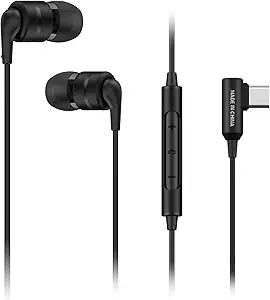
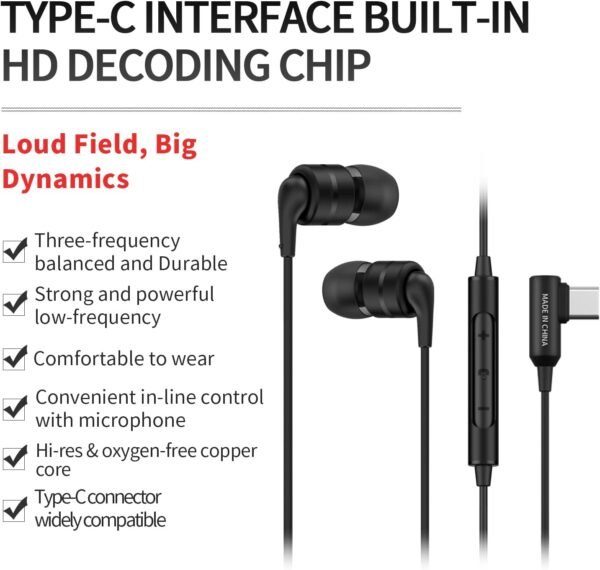
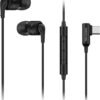
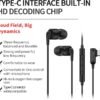
The SoundMAGIC E80D is a wired in ear headphone that terminates in a USB-C plug rather than a 3.5 mm jack. That single decision changes what the product is. A conventional wired earphone is a passive device: the phone or player does the digital to analog conversion and the amplification, and the earphone simply receives an analog signal. A USB-C earphone with an inline digital to analog converter takes the digital signal from the device and performs the conversion itself, which means the earphone brings its own converter and amplifier to the connection.
The listing confirms this arrangement, describing the cable feature as inline controls with a converter and the connection as USB-C. The practical reason this product exists is that most current phones no longer have a headphone jack, and the usual workaround is a separate dongle adapter that is easy to lose and adds a connector to the chain. Building the converter into the cable removes the dongle. Buyers who would rather stay on a conventional analog connection can compare wired options such as the TRUTHEAR HEXA hybrid earbuds and the wider earbud headphones category.
Drivers, Housing, and Cable
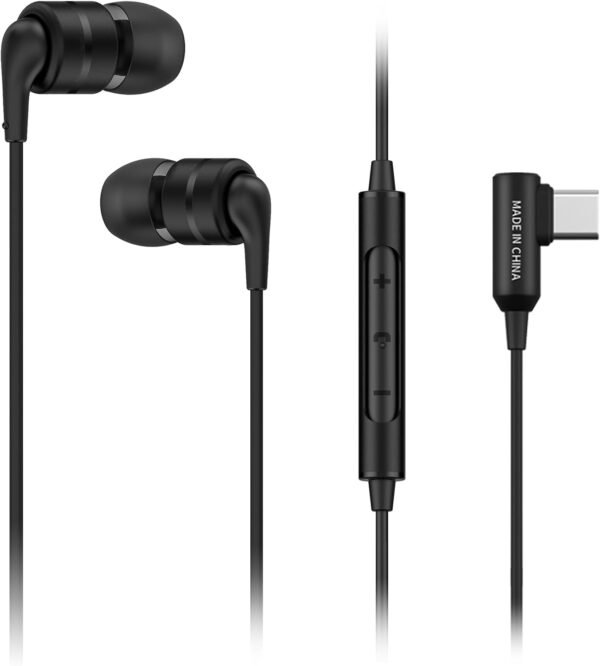
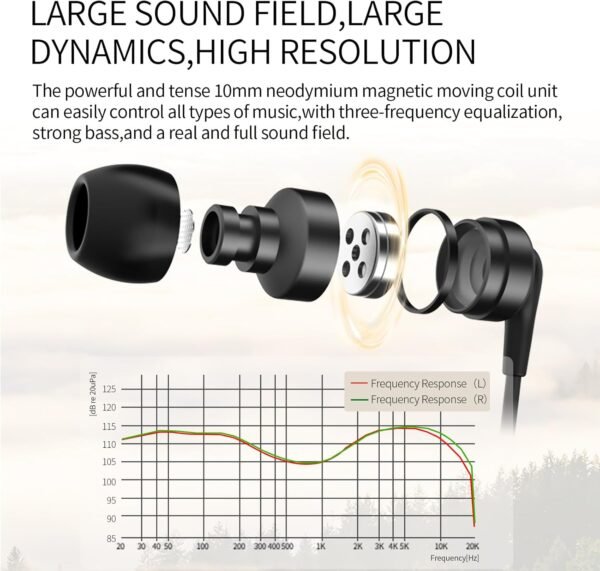
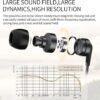
SoundMAGIC lists a 10 mm dynamic driver in each earpiece, housed in metal. The listing description elsewhere refers to aluminum, and the material field simply reads Metal, so the exact alloy is not confirmed by the record. Metal housings are common at this level for two reasons that have nothing to do with marketing: they are more rigid than plastic, which reduces the housing resonance that colors the sound, and they hold up to being pulled out of a pocket every day.
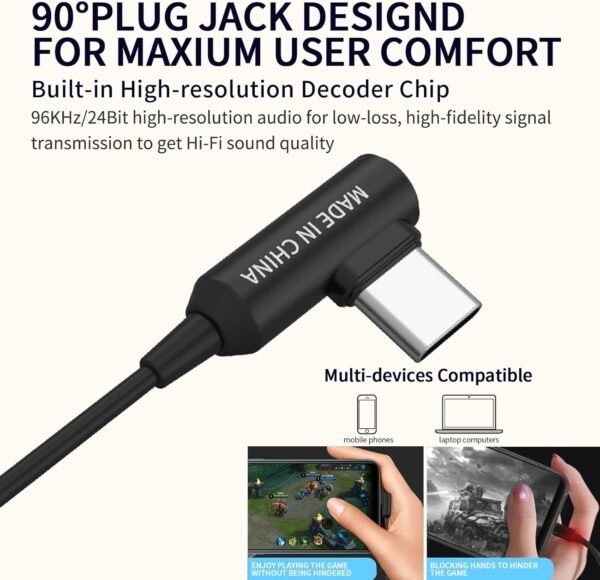
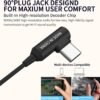
The plug is described as an L shape, which is the right choice for a phone that lives in a pocket. A straight plug takes the strain directly along its axis when a phone is pushed into a pocket, and that strain is the usual cause of intermittent connections. An L shaped plug redirects it. The listing also describes a tangle resistant cable and a three button remote with a microphone, which allows track control, volume, and call answering without touching the phone. The listed weight is 3.17 ounces, which describes the package rather than the earphones. Buyers whose primary need is calls on a computer may find more relevant features in the computer headsets category.
Isolation and Everyday Durability
The noise control field reads passive noise cancellation, which is the accurate description: a sealed in ear tip physically blocks outside sound, and there are no microphones or processing involved. Passive isolation is more effective against higher frequency noise such as voices and keyboard clatter than active cancellation is, and less effective against low frequency rumble. For an office or a shared living space it is often the more useful of the two, and it costs no battery because there is no battery.
Water and dust resistance appear in the product title as a waterproof and dustproof claim, and the water resistance field reads Water Resistant. Neither statement includes an ingress protection rating, which is the only way to know what level of exposure is covered. Water resistant and waterproof are not interchangeable terms, and a listing that uses both without a rating is not giving a buyer anything to rely on. Anyone planning to wear these in rain should confirm the rating with SoundMAGIC. For a sealed alternative from a mainstream brand with published ratings, the Moondrop Space Travel true wireless earbuds are worth comparing.
Highlights
- USB-C connection with an inline digital to analog converter, so no dongle is needed.
- 10 mm dynamic drivers in metal housings.
- L shaped plug that reduces strain on the connector in a pocket.
- Three button inline remote with a microphone for calls and playback control.
- Passive isolation from the sealed in ear fit, with no battery required.
Things To Consider
The USB-C connection is both the main feature and the main limitation. It ties the earphones to devices with a USB-C port that supports audio output, which most modern Android phones and current laptops do. It rules out any device with only a 3.5 mm jack, rules out older phones with other connectors, and rules out in flight entertainment systems, which almost universally use analog jacks. A buyer with a mixed set of devices should think carefully, because there is no adapter that turns a USB-C digital earphone back into a universal analog one.
Several specification fields on this listing are wrong or unusable. The earpiece shape field reads L-shaped, which describes the plug rather than the earpieces. The wireless communication technology field reads Wired, which is a contradiction in terms. The style field reads Modern, which is not a specification. The headphones jack field reads Usb-c, which is accurate but sits alongside a connectivity field that lists both Wired and Usb-c as though they were alternatives.
Two more considerations. The listing shows a 3.9 star average across only 17 ratings, with a first availability date in late 2024. That is a very small sample on a recent product, so there is no meaningful ownership record yet, and the average should not carry weight either way. And a built in converter means the audio quality is partly determined by a component the buyer cannot change or upgrade, unlike an analog earphone where a better source improves the result. Listeners who want to upgrade the source separately should stay with an analog connection and consider a studio design such as the Audio-Technica ATH-M40x studio monitor headphones.
Who Should Buy It and Who Should Not
The E80D suits someone using a modern USB-C phone or laptop who wants a wired earphone without carrying a separate dongle, values a metal build and an inline remote, and prefers passive isolation to active cancellation. It is a sensible choice for office use, for calls, and for anyone who dislikes charging yet another device.
It is the wrong choice for anyone who uses devices with headphone jacks, for travelers who need to connect to aircraft entertainment systems, and for buyers who want a documented water resistance rating and an established ownership record, neither of which this listing provides. Those buyers should stay with an analog wired design or move to a wireless set, and the Jabra Evolve2 true wireless earbuds show what the wireless route offers for the same work oriented use case.