
Description
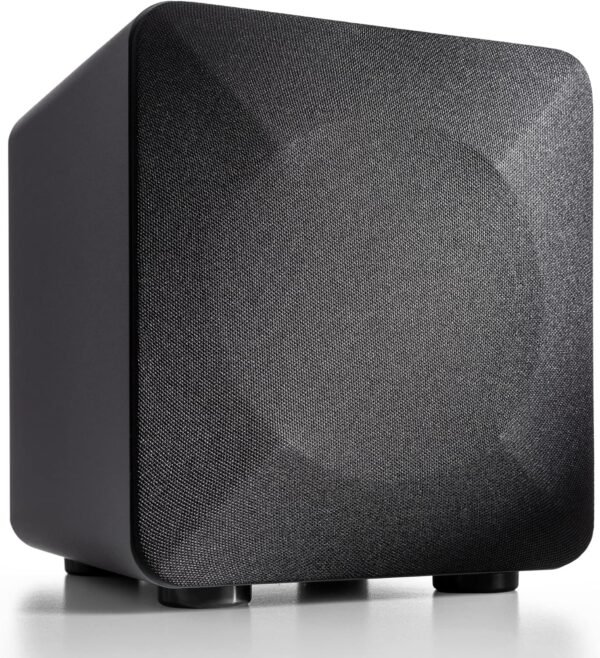
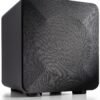
Audioengine S6: a 6 inch subwoofer built for a desk rather than a room
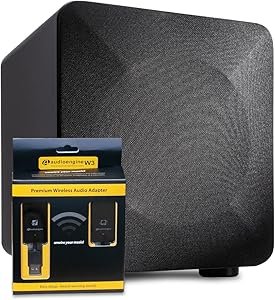
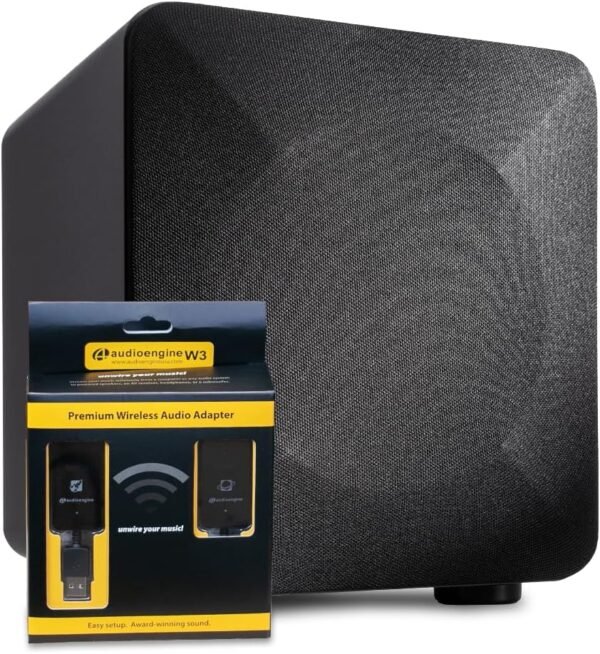
The Audioengine S6 is a compact powered subwoofer rated at 210 watts, built around a 6 inch woofer and intended for desktop systems. Audioengine lists the recommended uses as desktop setups, gaming, laptops and home theater, with compatible devices given as desktop and laptop computers. It ships with a W3 wireless transmitter and receiver pair, a 6.5 foot 3.5 millimeter cable, a 6.5 foot RCA cable, a 5.9 foot AC power cord, two microfiber bags and a setup guide.
Desktop subwoofers solve a problem that full sized ones create. A desk system is usually built around small powered speakers with 3 or 4 inch drivers that produce almost nothing below about 80 hertz. Adding a floor standing 12 inch subwoofer under a desk is overkill and, in an apartment, antisocial. A 6 inch sealed or ported cabinet fills the gap between what small speakers can do and what the room can tolerate, without dominating either.
The wireless option and how it actually works
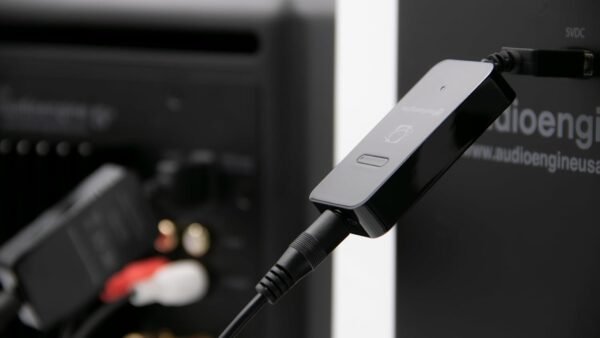
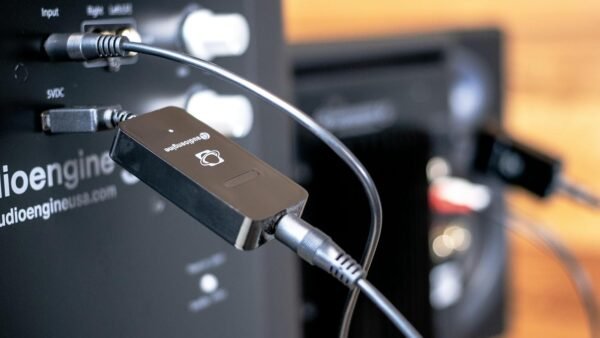
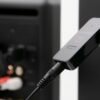
The inclusion of the W3 transmitter and receiver is what separates this from most subwoofers at this size. Rather than requiring a cable from the computer or amplifier to the subwoofer, the transmitter plugs into the source and the receiver sits with the subwoofer, sending the audio across the room. For a desk pushed against a wall, or a subwoofer that has to live on the far side of a room for space or appearance reasons, that removes the cable run entirely.
It is worth being precise about the terminology. The listing gives the wireless communication technology as AirPlay, which does not match a proprietary transmitter and receiver pair supplied in the box. AirPlay is an Apple network streaming protocol, and a dedicated transmitter dongle is a different mechanism entirely. The included components list is the more reliable description here, and buyers should not expect to stream to this subwoofer directly from a phone or a network app.
Both wired paths are supplied as well, with a 3.5 millimeter cable for a computer output and an RCA cable for an amplifier or receiver output. Whichever route is used, the subwoofer connects to a system rather than replacing part of it, and a compact receiver such as the Audioengine B1 from the same manufacturer sits naturally in the same kind of desk system.
What 210 watts and 6 inches mean together
A 210 watt rating on a 6 inch driver is a generous amplifier for the cone area involved. Power ratings alone say little, because the driver and cabinet determine how much of that power converts into low frequency output rather than into heat and excursion limits. What the pairing does suggest is headroom: the amplifier is unlikely to be the limiting factor at the levels a desk system will use.
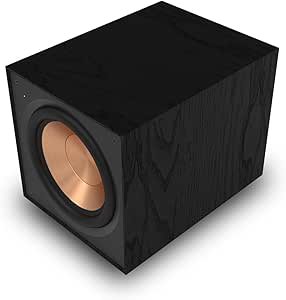
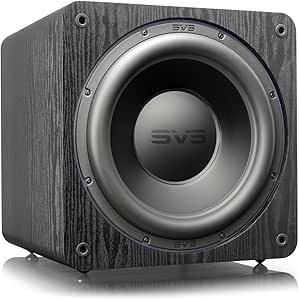
The physical limit remains the driver. Six inches of cone cannot move the air that a 10 or 12 inch driver does, so the deepest content in film soundtracks will be present but not felt. Buyers who want that should look at larger cabinets such as the Klipsch R-101SW or the sealed SVS 3000 Micro, which packs two 8 inch drivers into a compact cube specifically to get output without floor area.
Highlights
- 6 inch woofer with a 210 watt amplifier rating.
- W3 wireless transmitter and receiver supplied for cable free placement.
- Both 3.5 millimeter and RCA cables included for wired connection.
- Sized and specified for desktop, laptop and gaming systems.
- AC power cord, setup guide and two microfiber bags in the box.
- Limited warranty stated on the listing.
- Recent product, first listed in October 2023.
Things To Consider
The most significant omission in this listing is physical. No dimensions and no weight are published anywhere in the specification table. For a subwoofer intended to fit under a desk, the height and depth are the two numbers a buyer most needs, and neither is available. Anyone with a tight space should confirm the measurements before ordering rather than assuming a 6 inch driver implies a small box.
No frequency response and no crossover range are published either. Those figures determine how well the subwoofer will blend with a particular pair of desktop speakers, and without them the match cannot be predicted from the listing.
Several specification fields are unreliable. Surround Sound Channel Configuration reads 5.1 for a single subwoofer, Control Method reads Touch with no touch surface described anywhere, Connectivity Protocol reads USB with no USB audio input described, and Speaker Type lists four different categories at once. The AirPlay entry discussed above belongs in the same group. None of these should be treated as facts about the product.
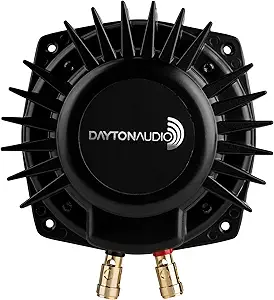
Finally, consider what a subwoofer does in a small room at close range. Sitting a few feet from a subwoofer is very different from sitting across a living room from one, and desktop placement makes room modes and desk resonances more audible, not less. Some experimentation with position and crossover setting is usually needed, and a solid desk transmits vibration into the surface in a way a floor does not. Anyone wanting felt impact rather than audible bass should look at a tactile transducer such as the Dayton Audio BST-1, which addresses a different sensation entirely.
Who it suits
The S6 suits a desktop system built around small powered speakers, a gaming setup where low frequency effects matter, and anyone in an apartment who wants added weight without a large cabinet. The wireless transmitter is a genuine advantage in rooms where cable routing is awkward.
It is not the right subwoofer for a home theater in a large room, for buyers who need published dimensions before purchase, or for anyone expecting the deep pressure a larger driver provides. Those buyers should compare the full sized options in the subwoofers category, and consider whether better main speakers from the bookshelf speakers category would solve the problem more directly than adding a subwoofer to small ones.