Description
FIFINE K669B: the metal bodied USB microphone that sells in volume
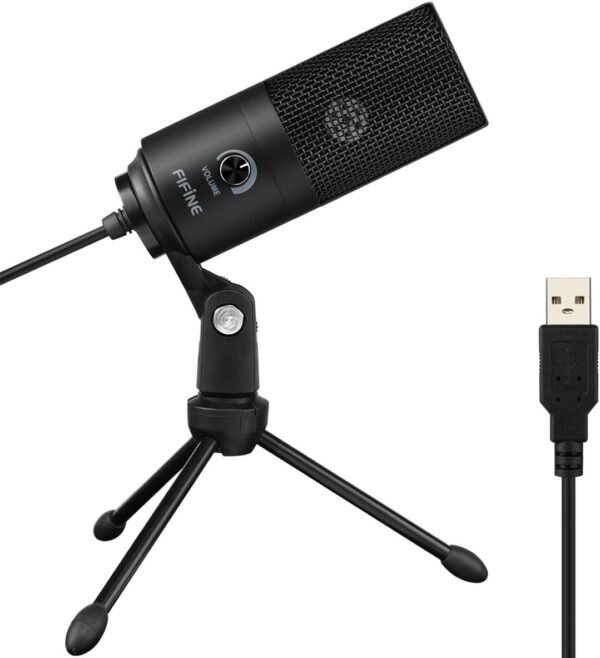
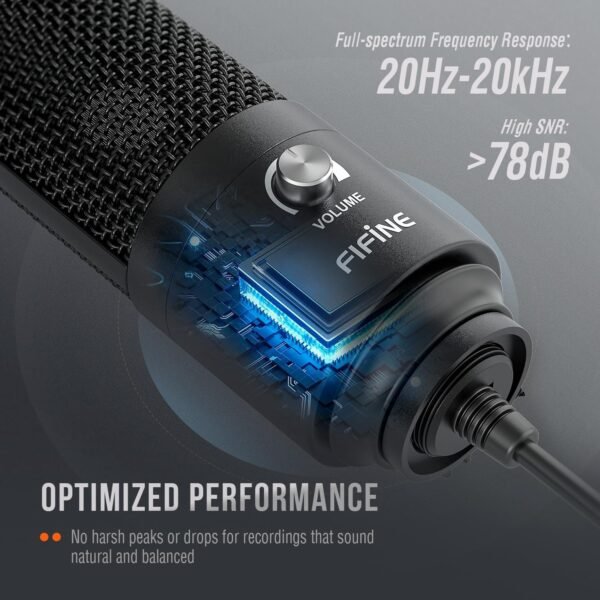
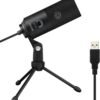
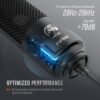
The FIFINE K669B is a cardioid USB condenser microphone built for recording straight into a computer with no interface in between. FIFINE lists a metal body, a weight of 5.6 ounces, a frequency range of 20 Hz to 20 kHz, a signal to noise ratio of 78 dB and a self noise level of 16 dB. It connects over USB, works with Windows and macOS, and is listed as compatible with PlayStation 4 and PlayStation 5 as well as desktop and laptop computers. A tripod stand and a volume knob on the body are part of the package.
The commercial record is the most striking thing about this listing. It has been on sale since February 2017 and carries more than 27,000 ratings at a 4.5 star average. Very few microphones at any price accumulate that volume of feedback, and it places this model among the default recommendations for a first USB microphone.
Why cardioid matters more than the price
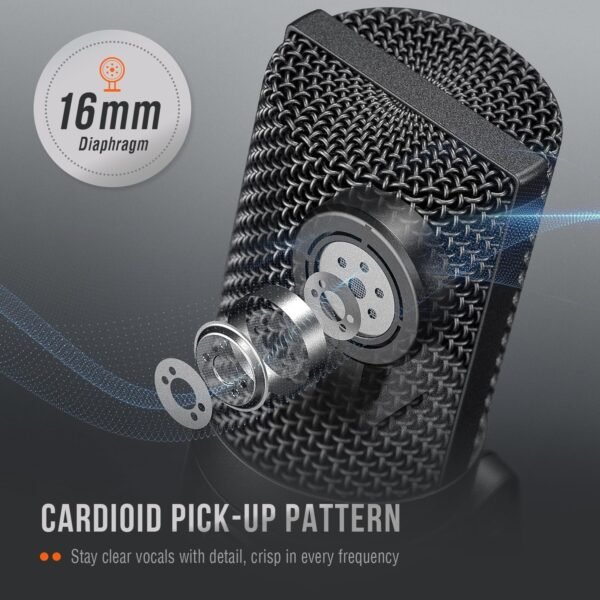
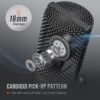
Cardioid describes the polar pattern, meaning the directions from which the microphone picks up sound. A cardioid pattern is most sensitive directly in front, progressively less sensitive at the sides, and largely deaf behind. For a person speaking into a microphone on a desk, that shape does most of the work of keeping a recording clean, because it rejects the room behind the microphone along with a good deal of keyboard noise, computer fans and reflections from a rear wall.
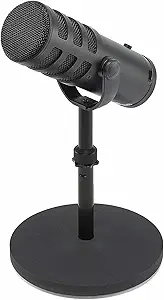
This matters most in the rooms where these microphones actually get used. Bedrooms, home offices and dorm rooms are acoustically poor, with parallel hard walls and no treatment. A directional pattern is the cheapest available fix, and it is more effective than any software noise reduction applied afterward. Anyone recording in such a room should also consider that a dynamic microphone such as the MAONO PD100 rejects room sound even more aggressively than a condenser does, at the cost of needing an interface.
USB simplicity and the on body volume control
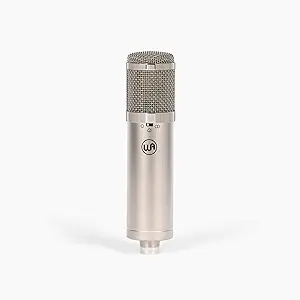
USB microphones combine the capsule, the preamplifier and the analog to digital converter in one housing. That removes the audio interface, the phantom power supply and the cables that a traditional studio microphone such as the Samson C01U Pro family requires, which is why this format took over the streaming and podcasting market. Plug it in, select it as the input device, and record.
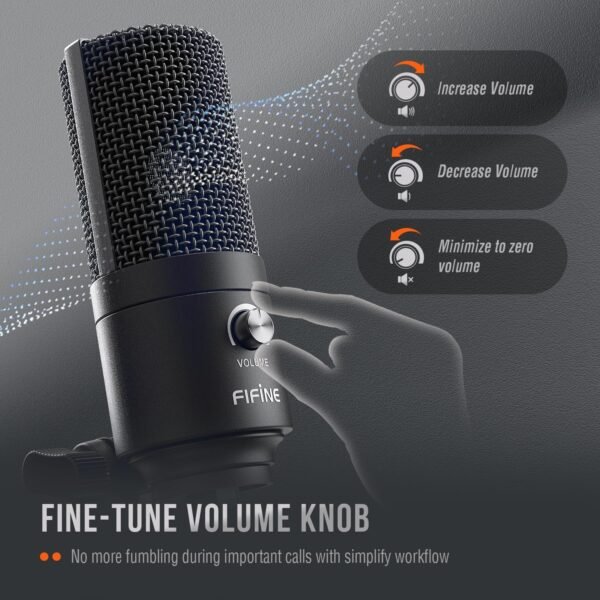
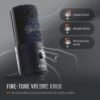
The volume knob on the body is more useful than it appears. Adjusting input gain in software means leaving the application being used, which is impractical during a live stream or a call. A physical control allows a quick correction, and it also gives a way to reduce the level quickly when needed. Buyers who want more control than a single knob, including a headphone monitoring output and physical mute, should compare the FIFINE T683 kit from the same manufacturer.
The self noise figure of 16 dB deserves attention because it is the specification that separates a usable microphone from a frustrating one. Every condenser generates a small amount of noise from its own circuitry, and that noise sits under the recording permanently. On a loud source it is inaudible. On quiet speech recorded at a distance, or on a track that will be compressed heavily in editing, it rises with everything else and becomes a hiss behind the voice. A figure in the mid teens is respectable for a microphone at this price and it is one of the reasons the model has held its position for so long.
Highlights
- Cardioid condenser pattern that rejects sound from behind the microphone.
- USB connection with no interface or phantom power supply required.
- Metal body and included tripod stand.
- Physical volume control on the microphone itself.
- Frequency range of 20 Hz to 20 kHz with a 78 dB signal to noise ratio.
- Self noise listed at 16 dB.
- Listed for Windows, macOS, PlayStation 4 and PlayStation 5.
Things To Consider
A USB microphone is a closed system, and that is its main limitation. The preamplifier and converter inside cannot be upgraded, and the microphone cannot be plugged into a mixer, a field recorder or an interface later. Anyone whose recording ambitions are likely to grow should understand that a USB microphone is a destination rather than a first step, and that moving up means replacing it entirely rather than adding to it.
Only one microphone can be used at a time in most software configurations. Two USB microphones on one computer for a two person podcast is technically possible but awkward, and it is the point at which an interface with two inputs becomes the better answer. Buyers planning interviews or co hosted shows should think about that before committing to the format.
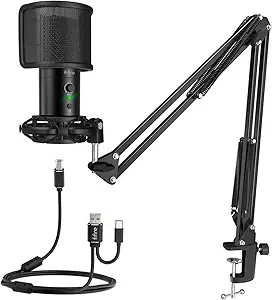
Desk noise is the practical enemy of a small tripod stand. A condenser microphone sitting on a desk picks up typing, mouse clicks and any knock transmitted through the surface, because there is no shock isolation in a basic tripod. A boom arm with a shock mount solves this and is a common first accessory purchase, so it should be budgeted alongside the microphone rather than treated as optional.
The listing data has minor inconsistencies. Audio Sensitivity and Signal to Noise Ratio both read 78 dB, which suggests one field was filled with the value of the other, since sensitivity for a microphone is normally expressed in millivolts per pascal or in negative decibels. A separate Frequency Response field reads 20 KHz, stating only an upper limit, while the Frequency Range field gives the full 20 Hz to 20 kHz span. Neither error changes what the microphone does, but the sensitivity figure in particular should not be used for comparison against another product.
Who it suits
The K669B suits streamers, podcasters, remote workers and students who need a clear step up from a laptop or headset microphone without learning audio hardware. The metal build, the physical volume control and the console compatibility make it a sensible default for a first microphone, and the enormous feedback record means very few buyers are taking a risk on an unknown product.
It is the wrong purchase for anyone building a studio around an interface, for multi person recording setups, and for musicians who need to record instruments alongside voice with separate control over each source. Those buyers should look at the interface based options in the multipurpose microphones category, or the vocal microphones category for stage and broadcast designs, and consider a portable interface such as the one built into the Apogee MiC Plus as a middle path.